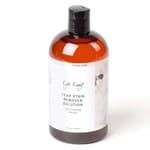
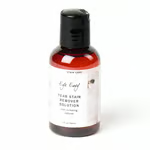
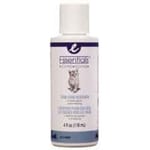
This category page features a diverse range of cat grooming and cleaning products, addressing the fundamental hygiene and care needs of cats in their daily lives. The selection includes shampoos and dry shampoos designed for feline coat cleaning, alongside dental care products that contribute to oral hygiene. Furthermore, this section offers cat eye care items, such as eye cleaning solutions and wipes, to help maintain cleanliness around the cat's eyes. These products are formulated with consideration for feline physiological characteristics, offering various textures and ingredient options to fulfill diverse cat grooming requirements. From kittens to adult cats, and those with different fur lengths and skin types, suitable grooming and cleaning supplies can be found within this category. Product types encompass liquids, sprays, and wipes, providing convenience for pet owners to select based on specific needs. This category aims to offer a series of basic cat grooming solutions to support daily cat care.
Cat eye care and grooming supplies encompass a diverse range of products designed for maintaining feline ocular health and appearance, characterized by specific formulations and application methods tailored to the anatomical and physiological attributes of cats.
This article aims to describe the structural attributes, material composition, and usage context of cat eye care and grooming supplies, without engaging in product recommendations or comparative analyses of advantages.
Cat Eye Care and Grooming Supplies: Classification by Application Area
The category of cat eye care and grooming supplies is commonly divided based on its intended application area, reflecting distinct approaches to feline ocular maintenance. One primary division includes products specifically formulated for the removal of tear stains, which are often visible as reddish-brown discoloration around the eyes. These products typically employ gentle cleansing agents to address porphyrin deposits and other organic residues. Another segment comprises general eye cleansers, designed for routine flushing and removal of dust, debris, or mild irritants from the ocular surface. These preparations are generally isotonic and pH-balanced to avoid causing discomfort. A third classification involves products intended for specific therapeutic purposes, such as those containing antimicrobial agents for managing minor ocular infections, though these often fall under veterinary supervision. The structural forms of these items vary, from liquid solutions and gels to pre-saturated wipes, each offering a distinct method of delivery and interaction with the feline eye and periorbital region. Material composition in these subcategories is dictated by the specific function, with tear stain removers often containing mild oxidizers or chelating agents, while general cleansers rely on saline solutions or purified water with minimal additives. The packaging also reflects these divisions, with dropper bottles common for liquid solutions, and sealed containers for wipes to maintain saturation and sterility. Understanding these application-based classifications provides a framework for comprehending the functional diversity within cat eye care and grooming supplies.
Cat Eye Care and Grooming Supplies: Material Composition and Formulation Methods
Cat eye care and grooming supplies exhibit considerable variation in their material composition and formulation methods, which directly influence their functional properties. Products intended for tear stain removal frequently incorporate ingredients such as boric acid, hydrogen peroxide at low concentrations, or plant-derived extracts with mild astringent or bleaching properties. These components are selected for their ability to break down the porphyrin compounds responsible for the reddish-brown discoloration without causing irritation to the delicate periorbital skin or ocular surface. The formulation process for these removers often involves emulsification or solubilization techniques to ensure an even distribution of active ingredients. Eye cleansers, on the other hand, are typically aqueous solutions, with purified water as the primary solvent. Common additional components include sodium chloride to achieve isotonicity, mimicking the natural salinity of tears, and buffering agents like phosphates or citrates to maintain a physiological pH. Some formulations may include very mild surfactants or emollients to aid in debris removal and provide hydration. The manufacturing of these solutions often involves sterile filtration and aseptic packaging to minimize microbial contamination, which is crucial for products applied directly to or near the eye. Wipes, a significant subcategory of cat eye care and grooming supplies, consist of a non-woven fabric substrate saturated with a cleansing or stain-removing solution. The substrate material is typically polyester, rayon, or a blend, chosen for its softness, absorbency, and non-abrasive texture. The saturation solution for wipes mirrors the compositions found in liquid cleansers or stain removers, ensuring consistent delivery of the active ingredients. Preservatives, such as parabens or phenoxyethanol, are often included in both liquid and wipe formulations to extend shelf life and prevent microbial growth, although formulations marketed as "natural" may utilize alternative preservation systems. The choice of materials and formulation methods is rigorously controlled to ensure efficacy and safety for feline use, considering the potential for ingestion during grooming.
Cat Eye Care and Grooming Supplies: Properties Across Usage Environments
The properties of cat eye care and grooming supplies can vary significantly across different usage environments and conditions, influencing their stability and efficacy. For instance, products formulated as liquid solutions are susceptible to temperature fluctuations. Exposure to extreme cold can lead to crystallization or changes in viscosity, potentially affecting the dispenser's function or the consistency of application. Conversely, prolonged exposure to high temperatures can accelerate the degradation of active ingredients, particularly those that are photosensitive or prone to oxidation, thereby reducing the product's effectiveness as cat eye care. The humidity of the environment also plays a role, especially for products like pre-saturated wipes. In low-humidity conditions, the moisture content of wipes can evaporate more quickly if the packaging is not hermetically sealed, leading to dried-out wipes that may be less effective or even abrasive. Conversely, high humidity could, in rare instances, foster microbial growth if the product's preservative system is compromised or if the container is left open for extended periods. The presence of airborne particulates in a dusty environment might necessitate more frequent application of eye cleansers to prevent accumulation and irritation, thus influencing the consumption rate of cat eye care products. Storage conditions are therefore critical; manufacturers typically recommend storing these supplies in a cool, dry place, away from direct sunlight, to maintain their chemical stability and physical integrity. The material composition of packaging—such as opaque bottles or multi-layer foil pouches—is often chosen to mitigate environmental impacts like light exposure and moisture ingress. Furthermore, the cleanliness of the application environment can affect the risk of introducing contaminants to the eye during use, highlighting the importance of hygienic practices when handling cat eye care items. These variations underscore the need for adherence to storage and usage guidelines to preserve the intended properties of the supplies.
Cat Eye Care and Grooming Supplies: Product Characteristics Based on Sales Ranking
Rank 1: Hagen Tear Stain Remover for Cats 118ml. This product is formulated as a liquid solution, primarily consisting of a gentle cleansing agent intended to dissolve and remove tear stains. The composition typically includes a mild astringent and a chelating agent to address the porphyrin compounds and mineral deposits that contribute to stain formation. Its liquid form facilitates application to the periorbital area using a cotton pad or similar applicator. The packaging is a plastic bottle with a screw-cap closure, designed for dispensing the liquid in controlled amounts. The volume is specified at 118 milliliters.
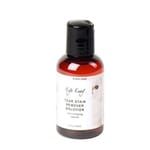
Rank 2: Eye Envy NR Tear Stain Remover Solution for Cats 4oz. This is a liquid solution designed for the removal of tear stains in felines. The formulation is characterized by its non-irritating (NR) properties, often achieved through the exclusion of certain chemical compounds that may cause sensitivity. The active ingredients typically include natural cleansers and antibacterial agents to address both the discoloration and any associated bacterial growth. The liquid is contained within a bottle, and its volume is 4 fluid ounces. The solution is intended for external application to stained areas.
Rank 3: Eye Envy NR Tear Stain Remover Solution for Cats 8oz. Structurally identical in formulation to the 4oz version, this product is also a non-irritating liquid solution for feline tear stain removal. It contains similar active ingredients, including natural cleansers and antibacterial components, designed to break down porphyrin stains and inhibit bacterial proliferation. The primary difference lies in its larger volume, supplied in an 8-fluid-ounce bottle. The increased volume is suitable for users requiring a greater quantity of the tear stain remover solution.
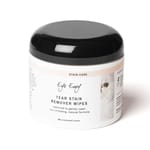
Rank 4: Eye Envy Tear Stain Remover Wipes with Solution 60 Count for Cats. These wipes consist of a non-woven fabric material pre-saturated with a tear stain remover solution. The fabric is typically a blend of synthetic fibers, chosen for its softness and absorbency, minimizing abrasion during application. The solution impregnated into the wipes contains active ingredients similar to the liquid Eye Envy tear stain removers, including natural cleansers and antibacterial agents. The wipes are packaged in a sealed container, often a plastic tub with a dispenser lid, to maintain moisture and prevent contamination. Each container holds 60 individual wipes, providing a convenient, pre-measured application method for cat eye care.
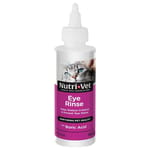
Rank 5: Nutrivet Cat Eye Wash 4oz. This product is an ophthalmic solution specifically formulated for flushing and cleansing feline eyes. Its composition typically includes purified water and sodium chloride, creating an isotonic saline solution that mimics the natural tears of a cat. This formulation is designed to be gentle and non-irritating to the delicate ocular tissues. The purpose of the eye wash is to remove dust, debris, pollen, and other irritants from the eye surface. It is packaged in a plastic dropper bottle, allowing for precise and controlled application of the 4-fluid-ounce volume of the cat eye care product. The bottle design often includes a sterile tip to prevent contamination during use.
Cat Eye Care and Grooming Supplies: Verifiable Quality Standards and Labeling Norms
Verifiable quality standards and labeling transparency are fundamental aspects governing the production and distribution of cat eye care and grooming supplies. Manufacturers typically adhere to Good Manufacturing Practices (GMP) regulations, which ensure that products are consistently produced and controlled according to quality standards. These practices cover all aspects of production, from raw material sourcing and facility sanitation to personnel training and finished product testing. For instance, the water used in liquid formulations, particularly eye washes, must meet specific purity standards, often distilled or deionized, to prevent the introduction of impurities to the feline eye. Ingredients lists on packaging are a primary form of labeling transparency, detailing all components present in the formulation. These lists are usually presented in descending order of concentration, allowing consumers to understand the primary constituents of the cat eye care product. Batch numbers and expiration dates are mandatory labeling elements, enabling traceability and providing information on the product's shelf life. Some products may also carry certifications from veterinary organizations or independent testing laboratories, indicating compliance with specific safety or efficacy protocols. Furthermore, instructions for use, including application methods, frequency, and storage recommendations, are critical labeling components that guide proper and safe utilization of cat eye care and grooming supplies. Warnings regarding potential adverse reactions or contraindications are also typically included, particularly for formulations containing active pharmaceutical ingredients or those requiring veterinary consultation. The material composition of packaging is also subject to standards, ensuring that it does not react with the product contents and provides adequate protection against external contamination or degradation. These standards and labeling norms collectively contribute to the reliability and safety of cat eye care products available in the market.
Cat Eye Care and Grooming Supplies: Factual Insights
A verifiable factual insight concerning cat eye care and grooming supplies relates to the primary cause of reddish-brown tear stains. These stains are predominantly caused by porphyrins, iron-containing molecules that are metabolic byproducts of red blood cell breakdown in the cat's body. Porphyrins are excreted through various routes, including tears. Upon exposure to sunlight, these porphyrins oxidize, resulting in the characteristic reddish-brown discoloration observed around the eyes. This process is distinct from staining caused by yeast or bacterial infections, which typically present with a darker, sometimes greenish, discharge and may require different interventions beyond standard cat eye care products. The iron content in porphyrins is what gives them their color and reactivity to light. Another verifiable factual insight pertains to the pH balance of feline tears. Normal feline tears have a pH that is slightly alkaline, typically ranging from 7.4 to 7.8. Therefore, cat eye care products, especially eye washes and cleansers, are formulated to be pH-balanced within this physiological range to prevent irritation and maintain the integrity of the ocular surface. Products with a significantly different pH, either too acidic or too alkaline, can cause discomfort, redness, and potentially damage the delicate tissues of the eye. This pH consideration is a critical parameter in the development and testing of all liquid cat eye care and grooming supplies.
The information presented describes the structural and compositional attributes of cat eye care and grooming supplies, focusing on their inherent characteristics and the operational frameworks within which they are produced and classified.
......View All