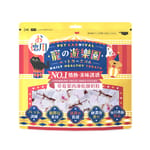
Dog treats encompass a variety of food items specifically formulated for canines, primarily utilized for training rewards, inter-meal snacks, or as supplemental nutrition. These products come in diverse forms, including dried meat strips, biscuits, dental chews, air-dried treats, and wet treats. The composition of dog treats typically includes meat, vegetables, grains, or combinations thereof, designed to offer chewing satisfaction and specific flavors to dogs. Some treats emphasize their natural ingredients or are engineered with structures intended to assist with oral hygiene, such as dental bones. When selecting dog treats, considerations are often given to the dog's size, age, activity level, and specific dietary requirements to determine the appropriate type and hardness. Information for homemade dog treats is also available in the market, allowing owners to prepare them themselves. These treats generally serve as supplements to main meals rather than replacements.
Dog treats are supplemental food items provided to canines, distinct from their primary diet, and are formulated in various compositions and structural forms.
This article aims to describe the structural attributes, material composition, and usage contexts within the dog treat category. The objective is to provide objective, verifiable information regarding these products, without engaging in product recommendations or comparative evaluations of their advantages.
Dog Treats: Common Classifications and Forms
The dog treat category is commonly divided based on several primary characteristics, including their intended function, their physical form, and their primary ingredient type. Functionally, dog treats can be broadly classified into training treats, dental hygiene treats, recreational chews, and dietary supplements in treat form. Training treats are typically small, easily broken, and palatable, designed for rapid consumption during training sessions. Dental hygiene treats are engineered with specific textures and ingredients to aid in the mechanical abrasion of plaque and tartar, or to deliver active compounds that support oral health. Recreational chews, often larger and more durable, are intended to provide extended chewing activity, which can satisfy a dog's natural chewing instincts. Supplemental treats may contain added vitamins, minerals, or other beneficial compounds, serving as a delivery mechanism for dietary enhancements. Physically, dog treats manifest as soft chews, crunchy biscuits, dehydrated meats, rawhide products, and various molded or extruded forms. These forms dictate aspects like chew duration, caloric density, and suitability for different canine sizes and ages. Furthermore, ingredient-based classifications include meat-based treats, grain-based treats, vegetable-based treats, and those incorporating novel protein sources or specialized dietary considerations.
Dog Treats: Material Composition and Processing Techniques
The material composition of dog treats varies widely, influencing their texture, nutritional profile, and processing requirements. Protein sources frequently include chicken, beef, lamb, fish, and turkey, often used in muscle meat, organ meat, or rendered meal forms. Carbohydrate components may originate from grains such as wheat, corn, rice, and oats, or from grain-free alternatives like potato, sweet potato, and legumes. Fats, derived from animal sources like poultry fat or plant sources such as flaxseed oil, contribute to palatability and provide essential fatty acids. Additionally, fibers from sources like beet pulp or psyllium husk, vitamins, minerals, and various functional ingredients such such as prebiotics or probiotics, may be incorporated. Manufacturing processes for dog treats include baking, extrusion, freeze-drying, air-drying (or wind-drying), and compression. Baked treats, similar to human biscuits, involve mixing ingredients into a dough, shaping, and then baking at elevated temperatures, resulting in a firm, often crunchy texture. Extrusion involves forcing a mixture of ingredients through a die under high pressure and temperature, producing a uniform, often chewy or crunchy product, such as kibble-like treats or dental chews. Freeze-drying removes moisture by freezing the product and then reducing the surrounding pressure to allow the frozen water to sublimate directly from the solid to the gas phase, preserving nutrients and creating a lightweight, porous texture. Air-drying, also known as wind-drying, involves slowly removing moisture at lower temperatures over an extended period, which can concentrate flavors and create a tough, chewy texture, particularly common for meat-based chews. Compression involves forming ingredients into a dense shape under pressure, often used for rawhide or other dense chewable dog treats.
Dog Treats: Usage Environments and Conditions
The properties of dog treats exhibit variation across different usage environments and conditions, primarily influenced by factors such as storage, ambient temperature, and the specific application. For instance, soft chew dog treats, due to their higher moisture content, require airtight packaging to prevent desiccation and spoilage, and are often less stable in humid environments compared to their dry counterparts. Conversely, hard biscuits or dehydrated meat treats possess a lower moisture activity, rendering them more resistant to microbial growth and suitable for storage in a wider range of environmental conditions, though excessive humidity can still compromise their crispness. Temperature significantly affects product integrity; high temperatures can accelerate oxidative rancidity in treats containing fats, leading to undesirable flavor changes and nutrient degradation. Freezing conditions, while preserving some treat types, can alter the texture of others, potentially making them brittle or crumbly upon thawing. The intended usage context also dictates optimal treat characteristics. For outdoor training sessions, particularly in warm weather, small, non-melting, and easily handled dog treats are preferred to minimize mess and maintain palatability. For extended indoor chewing, durable, low-odor chews are often selected to prevent rapid consumption and maintain a clean environment. Treats designed for dental health rely on specific textures and abrasive qualities that are maintained under normal chewing conditions to effectively contribute to oral hygiene. The interaction between the treat's physical and chemical properties and the environmental factors of storage and use are important considerations for maintaining product quality and efficacy for dog treats.
Dog Treats: Product Characteristics Based on Sales Ranking
This section details the material, formulation, and structural characteristics of the dog treats identified in the provided sales ranking, presented in order of their reported popularity. The descriptions focus on the objective attributes of each product without engaging in evaluative or comparative language.
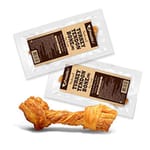
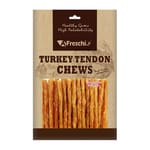
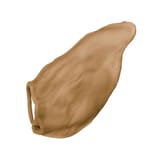
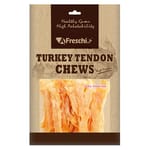
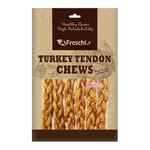
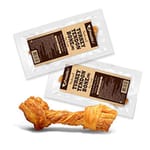
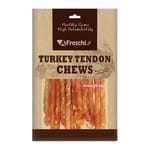
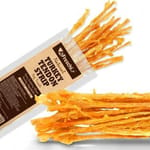
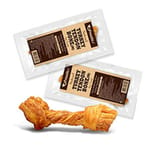
Rank 1: A Freschi Srl Natural Turkey Tendon Knotted Bone S (for dogs) — This dog treat is primarily composed of natural turkey tendon, which is a fibrous connective tissue derived from turkeys. The tendon is processed and formed into a knotted bone shape, indicating a structural configuration designed for extended chewing. The "S" designation typically denotes a smaller size, suitable for smaller dog breeds or as a shorter duration chew for larger dogs. The processing method likely involves drying or dehydration to achieve a firm, resilient texture characteristic of tendon-based chews, concentrating the protein content. The product's composition is largely singular, focused on the turkey tendon as the primary ingredient.
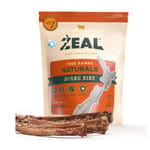
Rank 2: ZEAL New Zealand Beef Ribs 500g — This product consists of New Zealand beef ribs, indicating a natural bone-based dog treat. The 500g weight suggests a bulk package. Beef ribs are characterized by bone covered with muscle tissue and fat, providing both a hard core for chewing and palatable meat remnants. The processing method for such a product typically involves air-drying or slow roasting to remove moisture and preserve the material, while retaining the natural structure of the rib bone. The presence of bone implies a hard, non-uniform texture, and the natural meat content contributes to its palatability. This type of dog treat is generally intended for prolonged chewing activity.
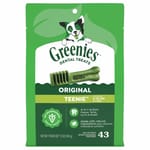
Rank 3: Greenies Original Teenie Dental Chews 96 Count 27oz — These dog treats are formulated as dental chews, specifically designed for oral hygiene. The "Teenie" size indicates suitability for very small dogs. The primary composition involves a blend of ingredients engineered to create a chewy, yet slightly abrasive texture. Typical ingredients in dental chews include wheat flour, glycerin, wheat gluten, gelatin, water, powdered cellulose, and various minerals and vitamins. The manufacturing process likely involves extrusion and drying to achieve a specific density and flexibility that allows the chew to flex around teeth, aiding in mechanical cleaning. The green coloration often comes from natural colorants like chlorophyll. This dog treat is characterized by its specific shape and texture intended for mechanical plaque reduction.
Rank 4: Greenies Original Petite Dental Chews 45 Count 27oz — Similar to the "Teenie" variety, these are dental dog treats, with "Petite" indicating a size suitable for small to medium dogs, slightly larger than the "Teenie" variant. The material composition and formulation are consistent with the Greenies Original line, typically including a blend of starches, proteins, and fibers designed to create a chewable, flexible, and slightly abrasive texture. The manufacturing process involves extrusion to form the distinctive shape, followed by drying to achieve the desired firmness and shelf stability. The product's structure is engineered to provide a scrubbing action on tooth surfaces during mastication. The specific count (45) and weight (27oz) indicate a package configuration for this size of dental dog treat.
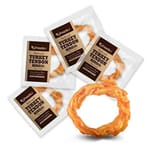
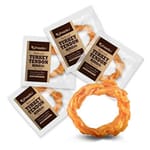
Rank 5: A Freschi Srl Natural Turkey Tendon Donut S (for dogs) — This dog treat, like the top-ranked item from the same brand, is made from natural turkey tendon. The key differentiating characteristic is its "donut" shape, which is a ring-like form, providing a different chewing experience compared to a knotted bone. The "S" again denotes a smaller size. The processing of the turkey tendon involves drying or dehydration to achieve a firm, resilient texture. The donut structure offers a central opening, which can affect how a dog holds and chews the treat. The material composition is primarily concentrated turkey tendon, offering a high-protein, low-fat chew.
Dog Treats: Quality Standards and Labeling Norms
Quality standards and labeling transparency are central to understanding the characteristics of dog treats. In many regions, the production and labeling of dog treats are subject to regulations that mandate certain information be provided to consumers. These regulations often require a guaranteed analysis, which specifies the minimum percentages of crude protein and crude fat, and the maximum percentages of crude fiber and moisture. This analysis provides a quantitative profile of the treat's macronutrient content. Ingredients must typically be listed in descending order by weight, allowing for an understanding of the primary components of the dog treat. Some standards also address the sourcing and quality of raw materials, such as requiring ingredients to be fit for animal consumption. For claims such as "natural" or "organic," specific criteria must often be met, which may include restrictions on artificial colors, flavors, or preservatives, and adherence to organic farming practices, respectively. Manufacturing facilities may be subject to inspections to ensure compliance with good manufacturing practices (GMPs), which cover aspects like hygiene, process control, and record-keeping, contributing to the safety and consistency of dog treats. Labeling also frequently includes feeding guidelines relevant to a dog's size and weight, and storage instructions to maintain product integrity. Compliance with these standards is often indicated by certifications or seals from relevant regulatory bodies or industry associations, providing a verifiable level of quality assurance for dog treats.
Dog Treats: Factual Insights
Certain factual insights related to dog treats provide additional context regarding their composition and characteristics. For instance, the process of rendering, commonly used in the production of some dog treats, involves cooking animal by-products to separate fat, protein, and water. This process results in ingredients like meat meal or bone meal, which are concentrated sources of protein and minerals. The specific temperatures and pressures used during rendering influence the digestibility and nutrient profile of the resulting material. Another verifiable aspect is that the caloric density of dog treats can vary significantly depending on their composition. High-fat, high-sugar treats typically possess a greater caloric density per gram compared to lean, dehydrated meat chews. This variation is a direct function of the energy content of the constituent macronutrients: fats provide approximately 9 calories per gram, while proteins and carbohydrates each provide approximately 4 calories per gram. Understanding these material energy values is essential for comprehending the intrinsic energy contribution of different types of dog treats.
The discussion presented has aimed to delineate the structural, compositional, and contextual attributes of dog treats. The information provided is intended to offer a factual overview of the category's various characteristics, focusing on objective descriptions of material science, processing, and regulatory aspects.
......View All