Cat food refers to specially formulated food products designed to provide essential nutrients for felines. This category encompasses various forms, including dry kibble, wet food, semi-moist food, and freeze-dried cat food, catering to diverse dietary preferences and needs of cats. Cat food formulations are typically differentiated by the cat's life stage, such as kitten food, adult cat food, and senior cat food, ensuring balanced nutritional support for each stage. Ingredients commonly found in cat food include meats, fish, grains, vegetables, vitamins, and minerals, aiming to supply protein, fat, carbohydrates, and trace elements. Brands like Orijen cat food, Instinct cat food, Ziwipeak cat food, Wellness Core cat food, Royal Canin cat food, Hills cat food, Canagan cat food, Nulo cat food, Thrive cat food, Nutrience cat food, and Acana cat food offer a range of distinct cat food products to accommodate various market choices. The selection of cat food considers factors such as ingredient sources, nutritional ratios, and palatability.
Cat food encompasses a broad range of manufactured nutritional products designed to meet the dietary requirements of domestic cats.
This article aims to describe the structural attributes, material composition, and usage contexts within the cat food category, without providing product recommendations or comparing advantages.
Cat Food Classification by Formulation Type
Cat food is commonly divided in practical and supply contexts based on its formulation type, which dictates its physical form, moisture content, and processing methods. The primary classifications include dry cat food, wet cat food, semi-moist cat food, and specialized forms such as freeze-dried cat food and raw cat food. Dry cat food, often referred to as kibble, is characterized by its low moisture content, typically ranging from 6% to 10%. This low moisture level contributes to its extended shelf life and convenience for free-feeding. Wet cat food, also known as canned or pouched food, contains a significantly higher moisture content, generally between 75% and 85%, mirroring the moisture levels found in natural prey. Semi-moist cat food presents an intermediate moisture content, usually between 25% and 40%, giving it a softer texture than dry kibble but a firmer consistency than wet food. Freeze-dried cat food is produced through a process that removes water under low temperatures, preserving the nutritional integrity of raw ingredients while offering a shelf-stable product. Raw cat food, whether commercially prepared or homemade, consists of uncooked ingredients, often including muscle meat, organ meat, and bone. Each formulation type of cat food serves distinct purposes in feline nutrition and feeding regimens.
Cat Food Composition and Processing Techniques
Differences in material composition, structural forms, formulation methods, and processing techniques define the various types of cat food available. The fundamental components of cat food typically include protein sources, fats, carbohydrates, vitamins, and minerals. Protein sources often consist of animal-derived ingredients such as chicken, beef, lamb, fish, and eggs, providing essential amino acids crucial for feline health. Fat sources, like animal fats or certain plant oils, supply concentrated energy and facilitate the absorption of fat-soluble vitamins. Carbohydrates, while not strictly required in large quantities for obligate carnivores, are often included in processed cat food in the form of grains (e.g., corn, rice, barley) or grain-free alternatives (e.g., peas, potatoes, sweet potatoes). The manufacturing process for dry cat food typically involves extrusion, where ingredients are mixed, cooked under high pressure and temperature, and then shaped into kibble. This process sterilizes the product and enhances digestibility. Wet cat food production involves mixing ingredients, sealing them in cans or pouches, and then cooking them at high temperatures to ensure sterility and extend shelf life. Freeze-dried cat food undergoes a process where ingredients are frozen and then placed in a vacuum chamber, causing the ice to sublimate directly into vapor, thus retaining nutrient profiles. The specific composition and processing methods impact the nutrient density, palatability, and overall structure of the cat food product, such as with Orijen cat food, which emphasizes fresh and regional ingredients.
Cat Food Properties Across Usage Environments
The properties of cat food may vary across different usage environments or conditions, influencing its suitability for specific feline needs. For instance, dry cat food is often favored in multi-cat households or for cats that graze throughout the day due to its stability at room temperature and ease of portion control. Its abrasive texture can also contribute to dental hygiene by helping to reduce tartar buildup, a property sometimes highlighted in Royal Canin cat food formulations. Wet cat food, with its high moisture content, contributes significantly to a cat's hydration, which is particularly beneficial for cats prone to urinary tract issues or those that do not drink sufficient water. The palatability of wet cat food is often higher, making it a suitable option for finicky eaters or cats with reduced appetite. Semi-moist cat food offers a compromise, providing some hydration and a palatable texture while still being relatively convenient to store. Freeze-dried cat food and raw cat food are often chosen by owners seeking diets that closely mimic a cat's ancestral diet, emphasizing minimal processing and high meat content. The storage conditions also differ; dry cat food requires a cool, dry place in an airtight container to prevent spoilage and pest infestation, while wet cat food, once opened, must be refrigerated and consumed within a short period. Understanding these variations helps in selecting appropriate cat food for specific domestic cat environments and their unique requirements.
Cat Food Product Characteristics from Sales Ranking
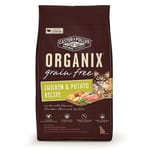
Rank 1: CASTOR & POLLUX ORGANIX Grain-Free Organic Cat Food Chicken & Sweet Potato Recipe 10lb. This cat food is characterized by its grain-free formulation, utilizing sweet potato as a primary carbohydrate source. The protein content is derived from organic chicken. The product is certified organic, indicating adherence to specific agricultural and processing standards. Its form is dry kibble, typically extruded for shelf stability.
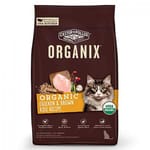
Rank 2: CASTOR & POLLUX ORGANIX Organic Cat Food Chicken & Brown Rice Recipe 6lb. This cat food features organic chicken as the primary protein source and brown rice as a carbohydrate component. It is a certified organic product, emphasizing ingredients sourced without synthetic pesticides or fertilizers. The physical form is dry kibble.
Rank 3: CASTOR & POLLUX ORGANIX Organic Cat Food Chicken & Brown Rice Recipe 10lb. Similar to the 6lb variant, this cat food contains organic chicken and brown rice. The formulation is organic certified. It is presented as dry kibble, designed for general adult cat nutrition.
Rank 4: CASTOR & POLLUX ORGANIX Grain-Free Organic Cat Food Chicken & Sweet Potato Recipe 6lb. This cat food is characterized by its grain-free composition, with organic chicken and sweet potato. The organic certification indicates ingredient sourcing and processing standards. It is provided in a dry kibble format.
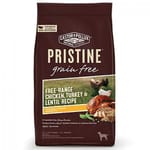
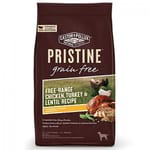
Rank 5: CASTOR & POLLUX PRISTINE Grain-Free Cat Food Free-Range Chicken & Turkey Recipe 6lb. This cat food highlights free-range chicken and turkey as its primary protein sources. It is formulated to be grain-free, focusing on animal protein content. The product is a dry kibble, emphasizing specific ingredient sourcing practices.
Cat Food Quality Standards and Labeling Norms
Verifiable quality standards, labeling transparency, and documentation norms are crucial for understanding the composition and safety of cat food. In many regions, regulatory bodies such as the Association of American Feed Control Officials (AAFCO) in the United States establish guidelines for pet food labeling and nutritional adequacy. AAFCO provides nutrient profiles for cat food, categorized for growth/reproduction and adult maintenance. Products labeled as "complete and balanced" must meet these nutritional standards, typically through formulation or feeding trials. Ingredient lists on cat food labels are mandated to be presented in descending order by weight, providing insight into the primary components. Terms like "organic" or "human-grade" are often subject to specific governmental regulations and certifications, requiring audits and adherence to defined standards. For instance, an organic cat food must meet criteria similar to human organic food production. The inclusion of guaranteed analysis on labels provides minimum percentages for crude protein and crude fat, and maximum percentages for crude fiber and moisture. This information allows consumers to assess the macronutrient content of the cat food. Additionally, manufacturing dates, expiration dates, and batch numbers are standard labeling requirements, facilitating product traceability and recall procedures. Understanding these labeling norms aids in deciphering the actual content and quality assurances behind any cat food, including specialized options like Instinct cat food.
Insights into Cat Food Production
One verifiable factual insight regarding cat food production is that the extrusion process, commonly used for dry cat food, involves cooking ingredients at high temperatures and pressures. While this process effectively sterilizes the food and can improve the digestibility of starches, it may also lead to some degradation of heat-sensitive nutrients, such as certain vitamins. Manufacturers often compensate for this by adding these vitamins back into the cat food after the extrusion process, typically through a surface coating or during the cooling stage. Another insight concerns the distinction between "meat meal" and "fresh meat" on ingredient labels. Meat meal, such as chicken meal or fish meal, refers to rendered animal tissue that has had most of its water and fat removed, resulting in a concentrated protein source. Fresh meat, conversely, includes the water content and is listed by its weight before processing. Consequently, a cat food with "chicken meal" as the first ingredient may contain a higher actual protein concentration than one listing "fresh chicken" first, due to the significant water content of fresh meat being removed during cooking. This distinction is critical for accurately assessing the protein density of a cat food, including those like Nulo cat food.
The information presented outlines the structural and characteristic elements of cat food, covering its various forms, compositional aspects, and regulatory frameworks.
......View All