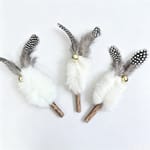
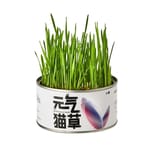
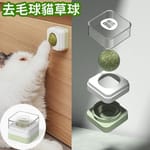
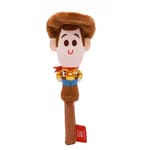
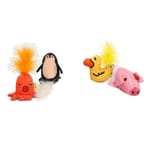
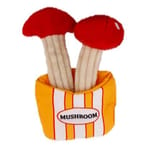
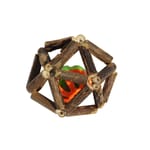
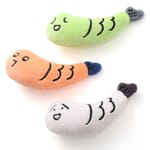
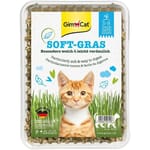
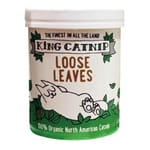
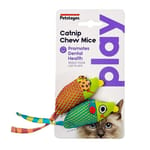
Catnip and silvervine are plants known for their stimulating effects on felines. Silvervine, also known as 'Matatabi', originates from Asia, with its fruits and leaves containing compounds that attract cats, often used as cat toys or an alternative to catnip. Upon exposure to silvervine, cats may exhibit behaviors such as rubbing, rolling, or excitement. Silvervine products come in various forms, including dried sticks, powders, sprays, or as fillings in toys. The response of kittens to silvervine can vary, with some young cats showing little reaction. While both silvervine and catnip can elicit exciting responses in cats, their chemical compositions differ, and some cats may only react to one of them. Silvervine sticks are typically provided for cats to chew and play with, but the amount and frequency of consumption should be moderate. Regarding cultivation, silvervine can be grown as a potted plant, requiring attention to suitable environmental conditions.
Catnip, Silvervine, and Cat Toys represent a category of products designed to engage feline animals, primarily through olfactory and tactile stimulation, often leveraging botanical compounds known for their psychoactive effects on domestic cats.
This article aims to describe the structural attributes, material compositions, and functional differentiations within this category. It does not intend to recommend specific products or provide comparative analyses for selection purposes.
Catnip, Silvervine, and Cat Toy Classification by Primary Stimulant
The category of Catnip, Silvervine, and Cat Toys is commonly divided based on the primary botanical stimulant employed, which dictates the type of chemical compounds responsible for feline responses. One significant division is between products containing Nepeta cataria, commonly known as catnip, and those containing Actinidia polygama, or silvervine. Catnip contains nepetalactone, a bicyclic monoterpenoid that interacts with feline vomeronasal organs, often inducing behaviors such as rolling, rubbing, vocalizing, and playful aggression. Silvervine, conversely, contains multiple active compounds including actinidine, dihydroactinidiolide, and nepetalactol. Nepetalactol, specifically, is a potent activator of opioid receptors in the feline brain, leading to similar but often more intense behavioral responses compared to nepetalactone. Another classification within this framework includes products that combine these stimulants, aiming for a broader or more potent effect on felines that may not respond to one stimulant alone. Certain cat toys may also incorporate other botanicals, such as Tatarian honeysuckle (Lonicera tatarica), which contains loganin and nepetalactol, or Valerian root (Valeriana officinalis), which primarily contains actinidine and valeric acid. The inclusion of these distinct botanical components fundamentally alters the biochemical interaction profile with a cat's sensory system, thereby influencing the observed behavioral outcomes. The structural presentation of these stimulants also varies, from dried plant material to extracts or oils infused into various substrates, further delineating sub-categories within Catnip, Silvervine, and Cat Toys.
Material Composition and Processing Techniques for Catnip, Silvervine, and Cat Toys
Differences in material composition, structural forms, and processing techniques are central to understanding Catnip, Silvervine, and Cat Toys. Catnip is typically prepared from the dried leaves and flowers of the Nepeta cataria plant. The processing involves harvesting, drying, and then often shredding or grinding the plant material into various consistencies, from coarse flakes to fine powder. This dried form is then either offered directly or incorporated into fabric toys, sprays, or edible treats. Silvervine, derived from the Actinidia polygama vine, is frequently presented as dried sticks or powdered fruit galls. The wood sticks are typically harvested, cleaned, and then dried, maintaining their natural cylindrical shape. The galls, which are insect-induced growths on the plant, are harvested, dried, and then often ground into a powder. These silvervine forms, like catnip, can be used as standalone products or integrated into more complex Catnip, Silvervine, and Cat Toys. For sprays, botanical extracts are often dissolved in a carrier liquid, such as water or an alcohol solution, to allow for even application. Edible forms, like treats or dental chews, combine the botanical stimulant with other food-grade ingredients, such as starches, proteins, and flavorings, through processes like extrusion or baking. The specific plant parts used also influence the chemical concentration; for instance, the flowers of Nepeta cataria generally contain a higher concentration of nepetalactone than the leaves. Similarly, the galls of Actinidia polygama are known for their potent levels of nepetalactol. Manufacturing methods for physical toys, which often contain these stimulants, involve various textiles like cotton, felt, or synthetic fabrics, filled with the stimulant and sometimes additional cushioning materials. Structural integrity of these toys is maintained through sewing, gluing, or heat-sealing processes. The choice of material and processing technique directly impacts the stimulant's release rate and the physical durability of the Catnip, Silvervine, and Cat Toys.
Variations in Usage Environments for Catnip, Silvervine, and Cat Toys
The properties of Catnip, Silvervine, and Cat Toys may vary significantly across different usage environments or conditions, influencing their effectiveness and longevity. Environmental factors such as humidity, temperature, and exposure to light can impact the potency and shelf life of botanical stimulants. For instance, nepetalactone in catnip and nepetalactol in silvervine are volatile compounds. High humidity can lead to degradation or clumping of dried plant material, while direct sunlight and elevated temperatures can accelerate the evaporation of these active compounds, reducing their olfactory impact. Proper storage in airtight containers, away from direct light and heat, is therefore critical for maintaining the efficacy of Catnip, Silvervine, and Cat Toys. The physical environment where the product is presented also plays a role. In a quiet, low-stress environment, a cat may exhibit a more pronounced and relaxed response to silvervine or catnip. Conversely, in a high-stress or overly stimulating environment, the cat's focus may be diverted, potentially diminishing the observable effects. The surface on which a catnip-filled toy is placed can affect its interaction; a soft carpet might allow for more vigorous rolling, while a hard floor might lead to more sliding or batting. Furthermore, the presence of other felines or animals in the environment can influence individual cat responses, sometimes leading to competition for access to the Catnip, Silvervine, and Cat Toys or a suppression of typical behaviors. The frequency of exposure is another variable; continuous or excessive exposure to these stimulants can lead to habituation, where a cat's response diminishes over time. Therefore, intermittent use is often recommended to maintain sensitivity. The efficacy of Catnip, Silvervine, and Cat Toys is not solely dependent on the product's inherent properties but also on the dynamic interplay with the specific environmental and contextual factors.
Product Characteristics Based on Sales Ranking: Catnip, Silvervine, and Cat Toys
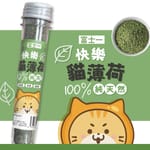
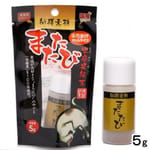
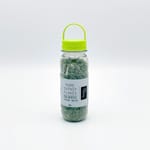
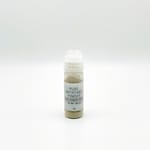
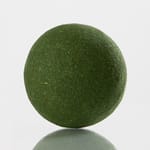
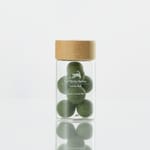
Rank 1: Fujiichi 100% Natural Happy Catnip and Silvervine 1 Piece — This product is characterized by its blend of two primary botanical stimulants: catnip (Nepeta cataria) and silvervine (Actinidia polygama). The term "100% Natural" indicates that the product consists solely of plant material without synthetic additives. The "Happy" descriptor implies the intended behavioral outcome in felines. The form factor is typically dried plant material, often shredded or flaked, suitable for direct presentation or as a refill for toys. The "1 Piece" likely refers to a single unit of packaging, containing a specific volume or weight of the botanical blend. The material structure is fibrous, originating from the dried leaves and flowers of catnip and potentially the galls or leaves of silvervine.
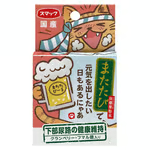
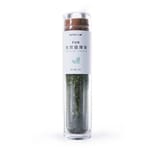
Rank 2: Japan Smack Cat Owner's Essential Silvervine Spray with Fruit Gall Use 30ml — This product is a liquid formulation containing silvervine extract, specifically derived from fruit galls, which are known for high concentrations of active compounds. The "Spray" format indicates that the active botanical compounds are dissolved in a carrier liquid, typically water or an alcohol-based solution, designed for application onto surfaces or toys. The volume is specified as 30ml. The material composition involves the extract of Actinidia polygama fruit galls and a solvent system, often with stabilizers. This allows for controlled topical application rather than direct ingestion of plant matter, distinguishing it from dried forms of Catnip, Silvervine, and Cat Toys.
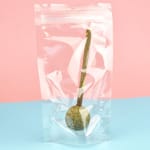
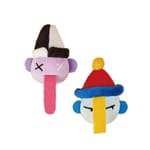
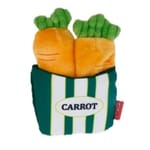
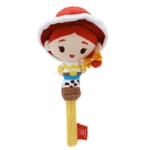
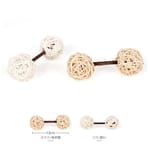
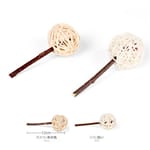
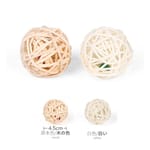
Rank 3: HelloDOG Toy Selection Catnip Ball Silvervine Lollipop — This item presents a combination of catnip and silvervine in a multi-component toy structure. The "Catnip Ball" element suggests a spherical form, likely filled with dried catnip, enclosed in a fabric or woven material. The "Silvervine Lollipop" component indicates a silvervine stick or compacted silvervine material attached to a handle, resembling a lollipop. This product integrates both olfactory stimulation from catnip and tactile/chewing stimulation from silvervine. The material composition includes dried catnip, silvervine wood or compressed silvervine powder, and additional materials for the toy's structure, such as fabric, plastic, or wood for the handle. The design aims to provide varied interaction methods within a single item of Catnip, Silvervine, and Cat Toys.
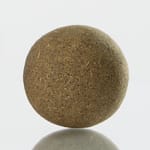
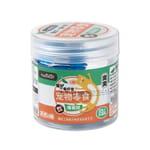
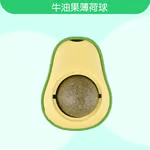
Rank 4: HiHIGH Cat Licking Ball Cat Snack Hairball Catnip Ball — This product is described as a "Cat Licking Ball" and "Cat Snack," indicating an edible or lickable form. The inclusion of "Hairball Catnip Ball" suggests it contains catnip and potentially other ingredients to aid in hairball management. The form is likely a compressed or molded sphere designed for licking, which allows for gradual consumption of the active ingredients. Its material composition would include dried catnip, potentially fibers or other agents for hairball control (e.g., psyllium husk, malt extract), and binders to maintain the ball's shape. This product functions as an interactive snack, offering both the stimulant effect of catnip and a nutritional or functional benefit, distinguishing it from non-edible Catnip, Silvervine, and Cat Toys.
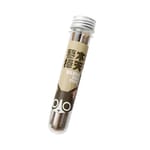
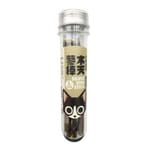
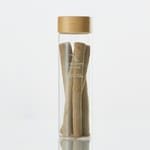
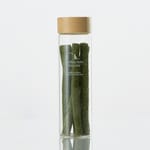
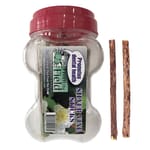
Rank 5: DogCatStar Dental Silvervine (SS01) — This product emphasizes a dental hygiene function in addition to the stimulant properties of silvervine. The "Dental Silvervine" designation indicates that the silvervine component is structured or processed to encourage chewing, which can assist in plaque removal and gum stimulation. It is likely presented as silvervine sticks or chews, which possess a natural fibrous texture suitable for dental abrasion. The material is primarily Actinidia polygama wood, typically in stick form, which is naturally hard enough to withstand chewing while also releasing active compounds. The "SS01" is an internal product code. The primary material characteristic is the use of silvervine wood chosen for its inherent hardness and stimulating properties, making it a functional item among Catnip, Silvervine, and Cat Toys.
Quality Standards and Labeling Norms for Catnip, Silvervine, and Cat Toys
Verifiable quality standards and labeling transparency are important for products within the Catnip, Silvervine, and Cat Toys category. While no universal regulatory body specifically governs these botanical products for pets, certain industry practices and certifications are observed. For botanical components like catnip and silvervine, quality is often assessed by the purity of the plant material, the absence of pesticides or heavy metals, and the concentration of active compounds. Manufacturers often provide documentation such as Certificates of Analysis (CoA) from third-party laboratories, detailing the chemical composition and purity. These CoAs may specify the percentage of nepetalactone in catnip or nepetalactol in silvervine, providing a quantifiable measure of potency. Labeling norms typically require the clear identification of all ingredients, especially the botanical stimulants used. For products claiming to be "100% natural," this generally implies the absence of artificial colors, flavors, or preservatives. Origin statements, indicating the geographical source of the plant material, can also be present, providing traceability. Manufacturing processes, such as drying methods (e.g., air-dried, freeze-dried) and pulverization techniques, can be disclosed to indicate the care taken in preserving the active compounds. For physical Catnip, Silvervine, and Cat Toys, material safety standards for textiles and plastics are relevant, ensuring that dyes are non-toxic and small components do not pose choking hazards. Some products may carry certifications from pet product associations or adhere to Good Manufacturing Practices (GMP) for pet consumables, indicating adherence to certain production and quality control protocols. The absence of such detailed labeling or third-party verification can indicate a lack of adherence to stringent quality control measures for Catnip, Silvervine, and Cat Toys.
Factual Insights into Catnip, Silvervine, and Cat Toys
A verifiable factual insight concerning Catnip, Silvervine, and Cat Toys relates to feline response rates. Approximately 70-80% of adult domestic cats respond behaviorally to nepetalactone, the active compound in catnip, with the trait being largely hereditary. This means that a significant portion of the feline population does not exhibit a noticeable response to catnip, irrespective of the product's concentration or presentation. Another insight is that kittens typically do not respond to catnip or silvervine until they reach sexual maturity, usually around six months of age. Prior to this developmental stage, their neurological pathways responsible for processing these specific botanical compounds are not fully developed. This physiological maturation is a prerequisite for experiencing the characteristic behaviors associated with Catnip, Silvervine, and Cat Toys.
This article has provided a structured overview of Catnip, Silvervine, and Cat Toys, detailing their classification, material characteristics, usage context, and quality considerations. The information presented is intended to enhance understanding of the category's attributes.
......View All