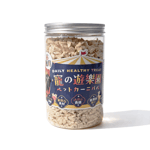
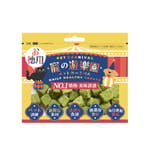
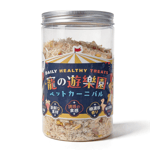
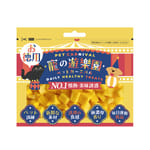
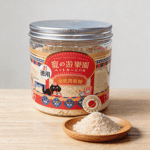
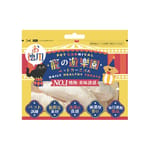
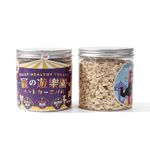
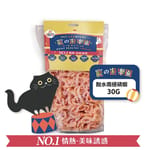
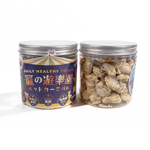
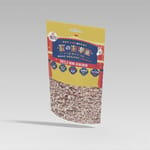
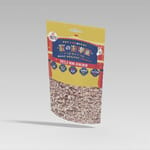
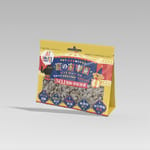
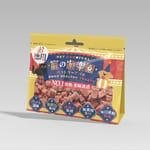
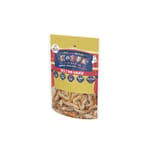
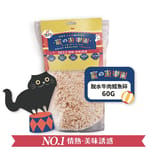
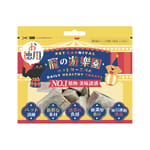
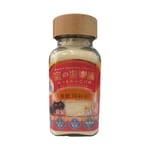
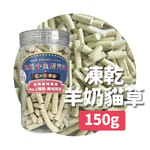
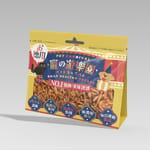
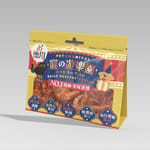
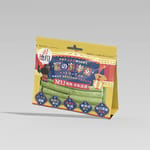
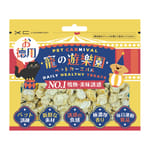
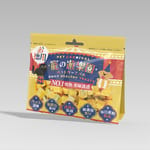
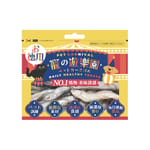
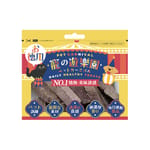
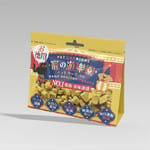
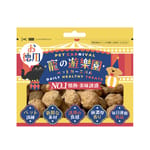
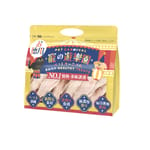
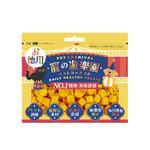
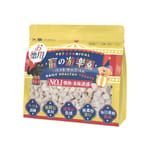
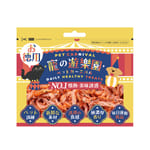
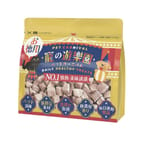
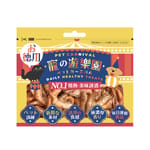
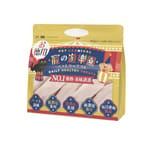
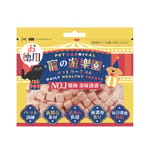
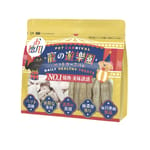
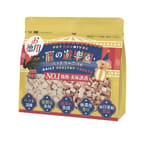
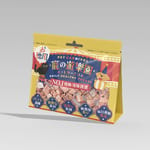
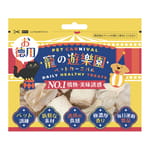
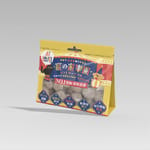
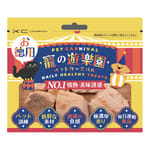
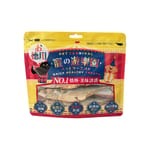
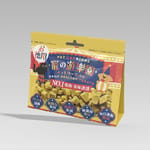
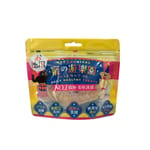
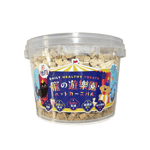
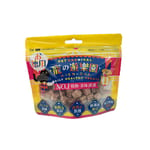
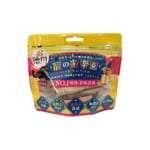
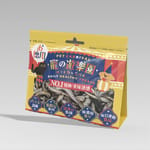
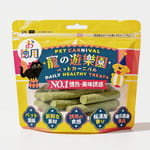
The "PET CARNIVAL" category offers a diverse range of cat treats and dog treats. Products within this classification encompass various textures and flavors, designed to cater to different pets' taste preferences and dietary requirements. These include purees, freeze-dried options, and biscuits, serving as dietary supplements or training rewards for pets. Treats are typically presented in individual or bagged packaging, facilitating convenient storage and feeding for pet owners. The formulations consider the digestive and absorption characteristics of pets, emphasizing the selection and combination of ingredients. This category focuses on providing a wide array of pet snack choices, enabling owners to select suitable "PET CARNIVAL" cat treats and dog treats based on their individual cats' or dogs' characteristics.
Pet Carnival pet treats for cats and dogs encompass a diverse array of supplementary food items designed for companion animals, characterized by their specific compositions, processing methods, and intended applications.
This article aims to provide a structured overview of this category, focusing on the inherent differences, structural attributes, material compositions, and typical usage contexts of these products. The objective is to present objective, verifiable information without engaging in product recommendations or comparative analyses of advantages.
Pet Carnival Pet Treats for Cats and Dogs: Classification by Preparation Method
The category of Pet Carnival pet treats for cats and dogs can be broadly classified based on their preparation methods, which significantly influence their physical characteristics and nutritional profiles. Common preparation methods include freeze-drying, dehydration, baking, and extrusion. Freeze-drying involves removing moisture from frozen ingredients under vacuum, preserving cellular structure and nutrient content. This method typically results in a light, porous product that rehydrates easily. Dehydration, conversely, uses heat or air circulation to remove water, often leading to a denser, chewier texture. Baked treats are formed from doughs or mixtures and then subjected to oven heat, resulting in crunchy or biscuit-like products. Extruded treats are produced by forcing a mixture through a die under high pressure and temperature, yielding various shapes and textures, often with a consistent density. Each method imparts distinct properties to the final product, affecting its shelf stability, palatability, and how it is consumed by pets.
Pet Carnival Pet Treats for Cats and Dogs: Material Composition and Processing Techniques
The material composition and processing techniques employed in creating Pet Carnival pet treats for cats and dogs are central to their definition. Ingredients typically include animal proteins such as chicken, duck, salmon, and cod, which serve as primary nutritional components. These protein sources are often supplemented with other ingredients like egg yolk, catnip, and various fibers or starches depending on the specific product formulation. For freeze-dried products, raw or lightly cooked ingredients are rapidly frozen and then placed in a vacuum chamber, where ice sublimates directly into vapor, leaving behind a dry, nutrient-dense material. Dehydrated treats involve slow drying processes, often at lower temperatures, to remove water while retaining a degree of natural texture. For example, large salmon chunks or cod pieces are typically dehydrated to retain their structural integrity. Chicken meat and duck meat in granular or shredded forms may undergo similar dehydration processes. The inclusion of specific ingredients like egg yolk or catnip influences not only the flavor but also the specific functional attributes of the treat, such as palatability enhancement or digestive aid. The granular form of some treats, such as chicken egg yolk granules, is achieved through specific comminution and shaping processes before or after drying, ensuring consistent portioning and consumption.
Pet Carnival Pet Treats for Cats and Dogs: Usage Context and Product Properties
The properties of Pet Carnival pet treats for cats and dogs vary significantly across different usage environments or conditions, primarily dictating their suitability for specific applications. For instance, freeze-dried treats, due to their low moisture content and light weight, are highly stable and convenient for travel or as training rewards that do not leave residue. Their porous structure allows for easy crumbling, making them adaptable for direct feeding or as meal toppers to enhance palatability. Dehydrated treats, often denser and chewier, can provide a more prolonged chewing experience, which can be beneficial for dental health or as a distraction. The size and form of the treat, such as large salmon chunks or cut cod pieces, inform their suitability for different pet sizes and chewing styles. Treats formulated with specific ingredients like catnip are often used to stimulate interest or provide enrichment, particularly for felines. The packaging format, such as 30g or 60g packs versus a 1000g bulk pack of chicken and duck meat granules, dictates the intended frequency of use and storage considerations, with smaller packs suited for occasional use and larger packs for regular supplementation or multi-pet households. The inherent stability of these dried forms means they are less susceptible to microbial growth compared to moist products, provided they are stored in dry conditions.
Pet Carnival Pet Treats for Cats and Dogs: Product Characteristics from Sales Data
The following product information is derived strictly from sales ranking data, outlining material, formulation, and structural characteristics without reference to usage recommendations or benefits.
Rank 1: Pet Carnival Selected Cat and Dog Treats Freeze-Dried Snacks Dehydrated Large Salmon Chunks 60g — This product consists of large chunks of salmon that have undergone a dehydration process. The primary material is salmon, prepared into substantial pieces. The processing method focuses on moisture removal to preserve the salmon's structure and nutritional components in a dry, stable form. The 60g packaging indicates a specific quantity of these dehydrated salmon pieces.
Rank 2: Pet Carnival Selected Cat and Dog Treats Freeze-Dried Snacks Chicken Egg Yolk Granules 60g Fun Pack — This item comprises chicken and egg yolk, processed into granular form using a freeze-drying technique. The materials are chicken and egg yolk, combined and then shaped into small granules. The freeze-drying process removes moisture while preserving the inherent properties of the chicken and egg yolk. The 60g "Fun Pack" refers to the specific weight and marketing designation of the package.
Rank 3: Pet Carnival Selected Cat and Dog Treats Freeze-Dried Snacks Dehydrated Cut Large Cod 30g — This product features cod, specifically large pieces that have been cut and then subjected to a dehydration process. The core material is cod, prepared as cut segments. The dehydration method removes water, resulting in a dried cod product. The 30g quantity indicates a smaller package size for these dehydrated cod pieces.
Rank 4: Pet Carnival Selected Cat and Dog Treats Freeze-Dried Snacks Dehydrated Catnip Chicken Granules 30g Fun Pack — This product combines chicken and catnip, processed into granular form through dehydration. The materials include chicken and catnip, blended and then formed into granules. The dehydration process ensures the removal of moisture, creating a dry, stable granular product. The 30g "Fun Pack" denotes the package size and its designated marketing identity.
Rank 5: Pet Carnival Freeze-Dried Cat and Dog Treats Dehydrated Chicken Granules + Duck Granules 1000g — This offering consists of both chicken and duck, processed into separate granular forms and then combined. Both components undergo dehydration. The materials are chicken and duck, each prepared as granules. The dehydration technique ensures a stable, dry product. The 1000g package indicates a bulk quantity of these combined dehydrated chicken and duck granules.
Pet Carnival Pet Treats for Cats and Dogs: Quality Standards and Labeling Norms
Verifiable quality standards, labeling transparency, and documentation norms are critical for Pet Carnival pet treats for cats and dogs. Manufacturers are typically expected to adhere to regulations concerning pet food safety, which often include guidelines for ingredient sourcing, processing hygiene, and finished product testing. Labels must accurately reflect the material composition, including the specific protein sources (e.g., salmon, chicken, cod, duck) and any other added ingredients (e.g., egg yolk, catnip). The processing method, such as "freeze-dried" or "dehydrated," is usually stated to inform consumers about the product's preparation. Nutritional analysis, including guaranteed analysis values for crude protein, crude fat, crude fiber, and moisture, is a standard requirement, providing objective data on the product's composition. Batch numbers and expiration dates are mandatory for traceability and shelf-life management. Some products may carry additional certifications or claims, such as "human-grade ingredients" or "grain-free," which, when present, should be supported by verifiable documentation. The use of specific terms like "Selected" or "Fun Pack" are marketing descriptors and do not inherently denote a specific quality standard but rather a product line or packaging style. Adherence to these labeling norms ensures that objective information regarding the Pet Carnival pet treats for cats and dogs is readily available to the consumer.
Pet Carnival Pet Treats for Cats and Dogs: Factual Insights
Regarding Pet Carnival pet treats for cats and dogs, a factual insight pertains to the moisture content of freeze-dried products. Freeze-drying typically reduces the moisture content of ingredients to below 5%, often as low as 1-2%. This extreme reduction in water activity is the primary mechanism by which freeze-dried pet treats achieve extended shelf stability without the need for chemical preservatives. The process halts enzymatic reactions and microbial growth, preserving the product's integrity over time. Another verifiable insight concerns the specific effect of catnip, often included in Pet Carnival pet treats for cats, on feline behavior. Catnip contains nepetalactone, a volatile compound that, when inhaled, can trigger a euphoric or stimulating response in approximately 70-80% of domestic cats. This response is genetically predetermined and involves the olfactory system, where nepetalactone mimics feline pheromones, leading to behaviors such as rolling, rubbing, and playful activity. The inclusion of catnip in treats is therefore a targeted functional additive aimed at specific behavioral engagement rather than nutritional modification.
The various forms of Pet Carnival pet treats for cats and dogs, from freeze-dried granules to dehydrated chunks, represent distinct manufacturing approaches and material selections. Each product is defined by its ingredients, the specific processing methods applied, and its resulting physical and chemical characteristics, all contributing to the structural diversity within the category.
......View All