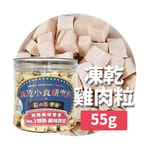
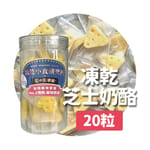
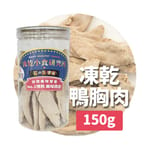
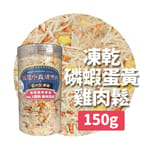
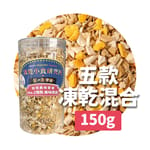
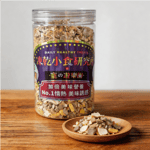
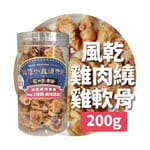
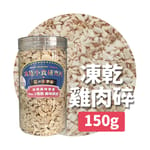
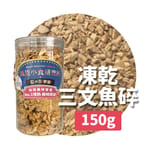
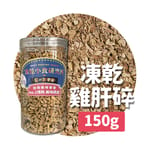
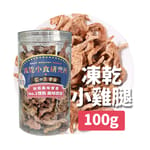
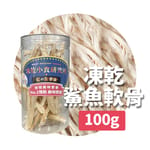
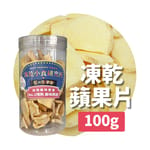
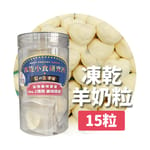
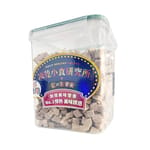
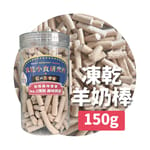
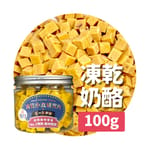
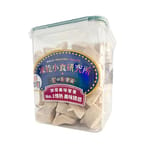
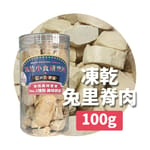
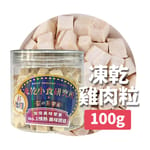
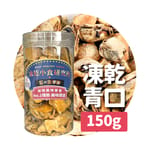
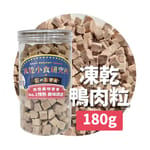
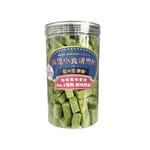
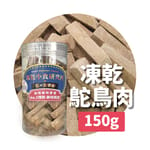
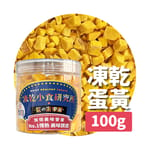
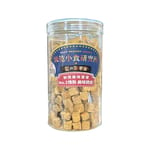
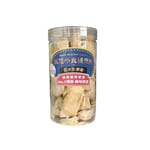
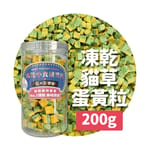
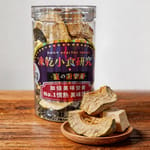
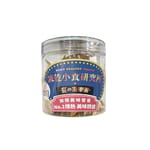
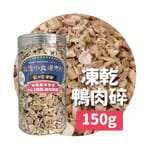
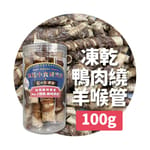
The Freeze-Dried Snack Research Institute offers a variety of freeze-dried snacks, primarily focusing on cat treats and dog treats. Freeze-drying technology removes water from ingredients through low-temperature vacuum sublimation, preserving their original flavor and nutritional content. These snacks are lightweight, making them convenient for storage and travel. Freeze-dried snacks can serve as daily rewards or meal accompaniments for pets, with diverse ingredient options such as meats, seafood, and fruits & vegetables, catering to various pet dietary needs. Whether for cats or dogs, products from the Freeze-Dried Snack Research Institute adhere to basic pet food regulations, providing pet owners with a convenient option. These products are designed to offer supplementary nutrition to pets rather than serving as a substitute for main meals, and no claims of treating or improving health are made. Pet owners can select suitable freeze-dried products based on their pet's size, age, and dietary preferences to enrich their diet.
The field of freeze-dried pet treats encompasses a diverse range of products designed for various animals, offering specific compositions and structural attributes.
This article aims to describe the structural attributes, material composition, and usage context within the category of freeze-dried pet treats. It does not intend to recommend specific products or provide selection advice.
Understanding Freeze-Dried Pet Treats: Common Classifications
Freeze-dried pet treats are commonly classified based on their primary animal protein source, their intended recipient (feline, canine, or both), and their physical form. A fundamental division within freeze-dried pet treats distinguishes between single-ingredient and multi-ingredient formulations. Single-ingredient treats typically consist of a sole animal protein, such as chicken, beef, or salmon, which has undergone the freeze-drying process. This approach preserves the inherent nutritional profile of the raw material without additional components. Conversely, multi-ingredient treats incorporate various animal proteins, sometimes combined with other elements like vegetables or supplements, to achieve a specific nutritional balance or palatability profile. The processing methods for these classifications remain consistent, focusing on sublimation to remove moisture while retaining cellular structure. Another common classification involves the target species, with products explicitly labeled for cats, dogs, or suitable for both. This distinction often relates to portion sizing, specific nutrient considerations, or palatability preferences generally observed in each species. For instance, some feline-specific freeze-dried pet treats may be smaller in particle size to accommodate cat dentition or incorporate ingredients known to appeal to felines. Furthermore, the physical form of these products, whether whole pieces, shredded, or crumbled, also serves as a classification criterion, influencing both their application and the manner in which they are consumed by pets.
Structural Attributes and Processing Techniques of Freeze-Dried Pet Treats
The structural attributes and processing techniques employed in the creation of freeze-dried pet treats contribute significantly to their final characteristics. The core principle of freeze-drying, or lyophilization, involves freezing the raw material and then reducing the surrounding pressure to allow the frozen water to sublimate directly from the solid phase to the gas phase. This process bypasses the liquid phase, which is crucial for preserving the structural integrity and nutrient density of the original ingredients. Material composition typically involves various lean meats, organ meats, fish, or egg products. For instance, chicken breast, beef liver, salmon, and egg yolks are frequently used due to their high protein content and palatability. The initial preparation of these materials can vary; some are cut into specific shapes or sizes, while others are ground or shredded before freezing. The freezing stage must be rapid to create small ice crystals, which are less damaging to the cellular structure during sublimation. This rapid freezing helps maintain the original texture and shape of the freeze-dried pet treats. During the primary drying phase, heat is carefully applied under vacuum conditions to facilitate sublimation, typically at temperatures below freezing. The secondary drying phase then removes any remaining unfrozen water molecules, reducing the moisture content to extremely low levels, often below 5%. This low moisture content is essential for the product’s extended shelf life and microbial stability. The resulting structure is porous and lightweight, allowing for easy rehydration if desired, though these treats are typically consumed in their dry state. Different raw materials yield distinct structural outcomes; for example, muscle meats tend to retain a more fibrous structure, while organ meats or egg yolks may result in a more crumbly or granular form of freeze-dried pet treats.
Environmental Impact on Freeze-Dried Pet Treats Properties
The properties of freeze-dried pet treats can vary significantly across different usage environments or storage conditions, primarily due to their hygroscopic nature and the stability of their constituent compounds. Given their extremely low moisture content, freeze-dried pet treats are highly susceptible to moisture absorption from the surrounding atmosphere. Exposure to high humidity environments can lead to a gradual rehydration of the product. This rehydration can alter the physical texture, transitioning from a crisp, porous state to a softer, chewier consistency. While this change might not immediately compromise safety, it can affect palatability and potentially accelerate degradation processes if moisture levels become sufficiently high to support microbial growth. Therefore, proper sealing in airtight packaging is paramount for maintaining the intended properties of freeze-dried pet treats. Temperature also plays a role, though less direct than moisture. Extreme heat, particularly when combined with oxygen exposure, can accelerate the oxidation of fats present in the treats, leading to rancidity. This is particularly relevant for products containing higher fat percentages, such as salmon or certain organ meats. Light exposure, especially ultraviolet (UV) light, can also contribute to the degradation of vitamins and other sensitive nutrients, as well as initiating oxidative processes. Therefore, storage in opaque, sealed containers away from direct sunlight and in a cool, dry place is recommended to preserve the nutritional integrity and structural characteristics of freeze-dried pet treats. The porous structure, while beneficial for rehydration, also means a larger surface area exposed to environmental factors if packaging is compromised, making these products more sensitive to their surroundings than many other forms of pet food or treats.
Product Characteristics Based on Sales Ranking: Freeze-Dried Pet Treats
Rank 1: Freeze-Dried Cat Grass Chicken Bites 100g — This product consists primarily of chicken meat, specifically chicken breast, combined with a small proportion of cat grass. The chicken component provides a source of lean protein. Cat grass is typically included for its fiber content. The product is formed into small, irregular bite-sized pieces, indicating a comminution and shaping process prior to freeze-drying. The low moisture content results in a brittle, porous structure.
Rank 2: Freeze-Dried Shredded Chicken for Cats and Dogs 150g — This item is composed solely of chicken meat, processed into a shredded or flaked form before freeze-drying. The shredding process increases the surface area, which can influence both the rate of freeze-drying and the final texture. The resulting product maintains the fibrous texture characteristic of muscle meat, presented in a fragmented state. It is a single-ingredient formulation.
Rank 3: Freeze-Dried Egg Yolk Bites for Cats and Dogs 100g — The primary material for this product is egg yolk. Egg yolks are rich in fats and specific vitamins. The product is typically prepared by separating the yolks, potentially blending them, and then forming them into small, uniform bites before the freeze-drying process. The final structure is often more powdery or crumbly compared to muscle meat-based freeze-dried pet treats due to the distinct composition of egg yolk.
Rank 4: Freeze-Dried Cod Bites for Cats and Dogs 90g — This product is derived from codfish, a white fish known for its lean protein content. The cod is typically cut into small, manageable pieces before undergoing lyophilization. The resulting freeze-dried pet treats exhibit the characteristic flaky texture of cooked fish, but in a dry, crisp form due to the removal of moisture. It is a single-ingredient offering.
Rank 5: Freeze-Dried Shredded Salmon for Cats and Dogs 150g — Comprising salmon meat, this product is prepared by shredding the fish before the freeze-drying process. Salmon is valued for its high content of omega-3 fatty acids and protein. The shredding creates a product with a high surface area. After freeze-drying, the salmon retains a fibrous, fragmented structure, characteristic of the raw material but in a moisture-depleted state. This is also a single-ingredient freeze-dried pet treats.
Quality Standards and Labeling Norms for Freeze-Dried Pet Treats
The quality standards and labeling norms for freeze-dried pet treats are primarily governed by regulations pertaining to pet food and animal feed, often enforced by national or regional authorities. These regulations ensure product safety, accurate representation of ingredients, and nutritional adequacy. A fundamental aspect of quality control involves sourcing raw materials from approved suppliers, ensuring they meet specific hygienic and compositional criteria before processing. For instance, the animal proteins used must often originate from facilities that adhere to food safety standards, even if the end product is for pets. The freeze-drying process itself is subject to controls to ensure adequate moisture removal and prevent recontamination. Finished products are typically tested for moisture content, microbial load (e.g., Salmonella, E. coli), and nutritional analysis. Labeling transparency is a key regulatory requirement for freeze-dried pet treats. Product labels must accurately list all ingredients in descending order by weight, declare the guaranteed analysis (minimum percentages of crude protein, crude fat, maximum percentages of crude fiber, and moisture), and often include feeding guidelines. The term "single-ingredient" on a label indicates that the product contains only one animal protein source, with no added fillers, preservatives, or artificial colors. For multi-ingredient freeze-dried pet treats, all components must be clearly itemized. Manufacturers are often required to provide information regarding the manufacturing facility and contact details. Adherence to these standards provides consumers with verifiable information regarding the composition and safety of freeze-dried pet treats, enabling informed decisions based on factual data.
Insights into Freeze-Dried Pet Treats
A verifiable insight regarding freeze-dried pet treats concerns the impact of the freeze-drying process on specific nutrient retention. Unlike conventional dehydration methods that involve heat, freeze-drying at low temperatures significantly minimizes the degradation of heat-sensitive nutrients such as certain vitamins and amino acids. This preservation is attributed to the absence of high heat and oxygen during the critical drying phase, which are primary catalysts for nutrient breakdown in other processing techniques. Consequently, the nutritional profile of freeze-dried pet treats often closely mirrors that of the raw, fresh ingredients from which they are derived, albeit in a concentrated form due to the removal of water. This attribute is a direct result of the sublimation principle employed in lyophilization. Another factual insight relates to the rehydration properties of freeze-dried pet treats. Due to their porous structure, these treats possess a high capacity for water absorption. When exposed to liquids, such as water or broth, they can rapidly rehydrate, returning to a texture closely resembling that of the original raw material. This characteristic allows them to be served in various ways: as a dry, crunchy treat, or as a softer, rehydrated meal topper or snack. The speed and extent of rehydration are influenced by the initial particle size, the specific raw material, and the duration of exposure to liquid. This versatility in serving method is a direct consequence of the physical changes induced by the freeze-drying process on the structural matrix of the freeze-dried pet treats.
This overview has detailed the fundamental classifications, structural attributes, processing methods, and quality standards associated with freeze-dried pet treats. The information presented aims to provide a factual understanding of this product category.
......View All