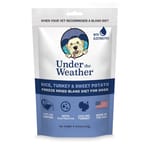
Prescription dog food, often referred to as veterinary diets, comprises products specifically formulated for dogs with particular health conditions. The formulations of these prescription diets are designed to support a dog's physiological needs, such as digestive health or urinary system function. Such products are typically recommended by veterinarians based on the dog's specific circumstances. The range of prescription dog food includes various formulations to address diverse dietary management requirements. Different brands, including Royal Canin dog food, offer a variety of prescription food products. When selecting prescription dog food, the primary considerations are the dog's health status and veterinary recommendations, ensuring appropriate nutritional support. These products are available in both dry and wet forms, such as Royal Canin prescription wet food, to cater to different dog preferences and needs. The objective of prescription dog food is to provide professional dietary management solutions for dogs.
Prescription dog food, also known as veterinary diet dog food, constitutes a specialized category of canine nutritional products formulated to address specific health conditions under veterinary guidance.
This article aims to describe the structural attributes, material composition, and usage context within the category of prescription dog food. The information presented is intended to elucidate the characteristics of these diets without promoting their purchase or offering selection advice.
Prescription Dog Food and Its Common Divisions
The category of prescription dog food is commonly divided based on the specific physiological system or health condition it is designed to support. These divisions reflect distinct formulations tailored to manage or mitigate symptoms associated with various ailments. For instance, diets are often categorized for gastrointestinal support, renal health, dermatological conditions, urinary tract issues, weight management, or metabolic disorders. Each sub-category represents a targeted nutritional approach, differing significantly in macronutrient ratios, specific ingredient inclusions, and exclusion of certain components. The practical application of these divisions is evident in how veterinary professionals recommend specific formulations based on a dog's diagnosed medical state. The classification system is not arbitrary but rather derived from established veterinary nutritional science, focusing on how dietary modifications can influence disease progression or symptom manifestation. This structured approach helps ensure that the appropriate prescription dog food is considered for a given health challenge, highlighting the specialized nature of these products compared to general maintenance diets. The formulation principles behind each division are grounded in clinical research and dietary management protocols, emphasizing the objective of providing nutritional support alongside veterinary medical care.
Prescription Dog Food: Material Composition and Formulation Methods
The material composition and formulation methods of prescription dog food are highly specialized, reflecting the specific physiological demands associated with various health conditions. For gastrointestinal support diets, for example, ingredients often include highly digestible proteins and carbohydrates to minimize digestive burden, along with prebiotics and probiotics to support gut flora. Fat content might be moderated to prevent pancreatic strain. Renal diets, conversely, are characterized by restricted phosphorus and protein levels to reduce kidney workload, often with added omega-3 fatty acids to support kidney function. The protein sources in such diets are typically of high biological value to ensure essential amino acid intake despite reduced overall protein. Dermatological diets frequently incorporate novel protein sources or hydrolyzed proteins to mitigate allergic reactions, alongside elevated levels of essential fatty acids like linoleic acid and EPA/DHA to support skin barrier function and reduce inflammation. Urinary tract diets often manipulate mineral content, particularly magnesium and phosphorus, and adjust pH levels to prevent the formation of specific types of urinary crystals or stones. This involves precise control over ingredients such as methionine or ammonium chloride to acidify urine, or potassium citrate to alkalinize it. Weight management prescription dog food typically features reduced caloric density through lower fat content and increased fiber to promote satiety, while still providing adequate essential nutrients. The processing techniques for these diets also vary; some formulations might undergo specific extrusion processes to enhance digestibility or include ingredients in precise particle sizes. The selection of raw materials is stringent, prioritizing ingredients with consistent nutritional profiles and minimal contaminants, which is particularly relevant for sensitive formulas like those for dogs with food sensitivities. The structural forms can range from dry kibble to wet canned food, with each form offering different textural and palatability characteristics, which can be important for dogs with specific medical needs or preferences. The objective in all these formulations of prescription dog food is to provide a diet that not only meets basic nutritional requirements but also actively contributes to the management of a specific health condition through carefully controlled material inputs and processing. The scientific rigor applied to the composition and manufacturing of veterinary diet dog food distinguishes it from conventional pet food products.
Prescription Dog Food: Properties Across Usage Environments
The properties of prescription dog food exhibit variations across different usage environments, primarily dictated by storage conditions, preparation methods, and the specific physiological state of the animal. For dry kibble forms, humidity control in storage is crucial to maintain kibble integrity, prevent mold growth, and preserve the stability of sensitive nutrients like vitamins and omega-3 fatty acids. Exposure to air can lead to oxidation, particularly of fats, which can diminish palatability and nutritional value. Wet prescription dog food, typically packaged in cans or pouches, requires refrigeration once opened to prevent bacterial spoilage, similar to human perishable foods. The textural properties of wet food, being softer and often more aromatic, can be beneficial for dogs with dental issues or reduced appetite, influencing how readily the food is consumed in various clinical settings. The caloric density and nutrient profiles of prescription dog food are also designed to perform optimally under specific metabolic conditions. For example, a diet formulated for a dog with renal insufficiency will have a carefully balanced electrolyte profile and reduced protein, properties that are essential for minimizing kidney stress. In a different usage environment, such as for a dog recovering from gastrointestinal surgery, a highly digestible, low-fat prescription dog food would be indicated to reduce digestive exertion and promote healing. The physical form of the diet can also influence its efficacy; for instance, smaller kibble sizes might be preferred for smaller breeds or dogs with esophageal issues, while a softer, mashable wet food can facilitate tube feeding in critical care scenarios. Environmental temperature can also subtly affect palatability, with some dogs preferring food served at room temperature rather than directly from refrigeration. The stability of certain active ingredients, such as probiotics or specific enzymes, can be compromised by extreme temperatures or prolonged exposure to light, underscoring the importance of adhering to storage instructions. The consistent provision of prescription dog food according to veterinary instructions ensures that the intended nutritional properties are fully realized within the animal's therapeutic context, making proper handling and serving critical for the diet's effectiveness.
Prescription Dog Food Product Information Based on Sales Ranking
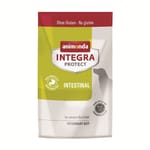
Rank 1: Animonda INTEGRA PROTECT Prescription Dog Food Adult Gastrointestinal Formula 4kg — This formulation is designed for adult dogs requiring gastrointestinal support. Its composition emphasizes highly digestible proteins and carbohydrates to minimize digestive workload. The specific protein sources are selected for ease of assimilation, and the carbohydrate content is formulated to provide energy without causing irritation. The fat content is typically moderated to prevent pancreatic stress. Fiber levels are adjusted to support healthy gut motility and stool consistency. Specific prebiotics may be included to foster a balanced intestinal microflora, contributing to a stable gastrointestinal environment. The kibble structure is typically uniform in size and density.
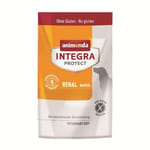
Rank 2: Animonda INTEGRA PROTECT Prescription Dog Food Adult Renal Formula 4kg — This product is formulated for adult dogs with renal conditions. The primary characteristic of its composition is controlled levels of phosphorus and protein to reduce the metabolic burden on the kidneys. The protein sources utilized are of high biological value, ensuring the provision of essential amino acids despite the quantitative restriction. Sodium levels are typically moderated to support cardiovascular health and manage fluid balance. The formulation may include increased levels of omega-3 fatty acids, such as EPA and DHA, known for their potential anti-inflammatory properties and support for kidney function. The kibble is designed for palatability to encourage consistent intake in dogs with potentially reduced appetite due to kidney disease.
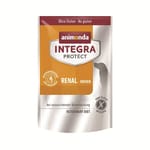
Rank 3: Animonda INTEGRA PROTECT Prescription Dog Food Adult Renal Formula 700g — This is a smaller packaging unit of the adult renal formula described in Rank 2. Its material composition and formulation are identical to the 4kg version, focusing on controlled phosphorus and protein levels, high biological value protein sources, and potentially increased omega-3 fatty acids to support renal health. The structural characteristics of the kibble, including size, shape, and density, are consistent with the larger format, ensuring uniformity in consumption experience. The smaller package size is intended for different usage contexts, such as trial periods or for dogs with lower consumption rates, ensuring freshness over time.
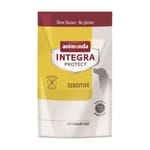
Rank 4: Animonda INTEGRA PROTECT Prescription Dog Food Adult Sensitive Formula 4kg — This formulation targets adult dogs with dietary sensitivities or allergies. Its composition often features a limited number of protein and carbohydrate sources, frequently utilizing novel proteins or hydrolyzed proteins to minimize antigenic exposure. This approach aims to reduce the likelihood of triggering adverse food reactions. The carbohydrate sources are also carefully selected to be easily digestible and less likely to cause sensitivities. The fat content is balanced to provide energy and support skin and coat health, often including essential fatty acids. The absence of common allergens, such as certain grains, soy, or dairy, is a key characteristic of its material composition. The kibble structure is uniform and designed for general palatability.
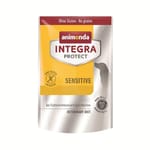
Rank 5: Animonda INTEGRA PROTECT Prescription Dog Food Adult Sensitive Formula 700g — This product is a smaller package of the adult sensitive formula detailed in Rank 4. The material composition, including the use of limited or hydrolyzed protein sources and carefully selected carbohydrates, remains consistent with the larger 4kg offering. The formulation's objective is to manage dietary sensitivities through its precise ingredient profile. The structural attributes of the kibble, such as its shape and texture, are identical, ensuring a consistent feeding experience. The smaller unit size provides flexibility for consumers, aligning with specific usage patterns where smaller quantities of prescription dog food are required or preferred for freshness.
Prescription Dog Food: Quality Standards and Labeling Norms
Quality standards and labeling norms for prescription dog food are subject to rigorous regulations and industry guidelines, reflecting their specialized therapeutic purpose. In many regions, these diets are classified differently from general pet food, often requiring veterinary authorization for purchase, which underscores their medical context. The regulation of prescription dog food typically involves oversight by governmental bodies responsible for animal feed safety and efficacy. These regulations mandate specific requirements for ingredient sourcing, manufacturing processes, and final product analysis. For instance, the Guaranteed Analysis on the product label provides a minimum percentage for crude protein and crude fat, and maximum percentages for crude fiber and moisture. However, for prescription diets, additional details are often provided to highlight the precise levels of specific nutrients critical for managing a condition, such as phosphorus, sodium, potassium, or specific amino acids. This detailed nutritional information is crucial for veterinary professionals to make informed recommendations. Furthermore, labeling typically includes a clear statement indicating the diet is for intermittent or supplemental feeding only, or for specific dietary management under veterinary supervision, rather than for general maintenance. The manufacturing facilities producing veterinary diet dog food must adhere to Good Manufacturing Practices (GMPs), ensuring consistency in formulation and preventing contamination. Ingredient traceability is often a key component, allowing for the tracking of raw materials from source to final product, which is particularly important for diets designed for sensitive dogs. Packaging for prescription dog food often includes specific instructions for storage and handling to maintain product integrity and nutritional stability, addressing aspects like temperature, humidity, and light exposure. The absence of artificial colors, flavors, or preservatives is also a common characteristic in many prescription formulations, reflecting a focus on minimizing potential irritants for compromised animals. Adherence to these standards and transparent labeling practices ensures that prescription dog food reliably delivers its intended therapeutic benefits, providing critical nutritional support for specific health conditions.
Prescription Dog Food: Factual Insights
A verifiable factual insight concerning prescription dog food is that the protein restriction in renal diets is not solely about reducing the total quantity of protein, but critically about reducing the intake of phosphorus and specific protein catabolites that contribute to kidney workload. The protein sources used in these specific prescription dog food formulations are typically of high biological value, meaning they contain a complete profile of essential amino acids in proportions that are highly digestible and utilizable by the dog's body. This ensures that despite the reduced overall protein percentage, the dog still receives adequate essential amino acids for tissue repair and maintenance, preventing sarcopenia (muscle wasting) while simultaneously minimizing the accumulation of nitrogenous waste products that healthy kidneys would normally filter. This precise balance is a fundamental aspect of managing chronic kidney disease through dietary intervention. Another verifiable insight is that certain gastrointestinal prescription dog food diets, particularly those designed for inflammatory bowel disease (IBD), often utilize hydrolyzed proteins. Protein hydrolysis involves breaking down intact protein molecules into smaller peptides or individual amino acids. This process significantly reduces the molecular weight and antigenic potential of the proteins, making them less likely to trigger an immune response in sensitive animals. The smaller size of these protein components also enhances digestibility and absorption in compromised digestive systems. This technological approach in the formulation of prescription dog food directly addresses the immunological component of many gastrointestinal disorders, offering a nutritional strategy to mitigate inflammation and improve nutrient assimilation without relying on traditional protein sources that might provoke an adverse reaction. These details highlight the scientific and technological foundations underpinning the development of specialized veterinary diet dog food.
The preceding information describes the structured nature of prescription dog food, focusing on its classifications, material and compositional attributes, and the standards governing its production and labeling. The objective has been to present a comprehensive overview of this specialized category of canine nutrition without offering judgments or recommendations.
......View All