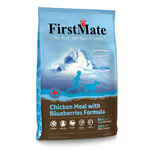
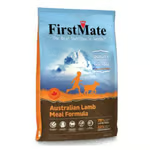
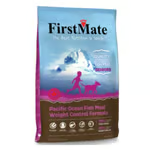
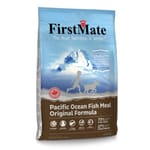
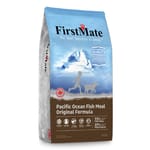
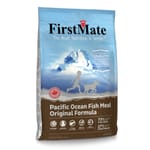
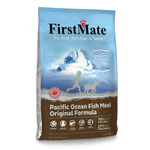
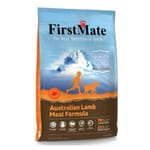
The FirstMate dog food category offers a variety of formulations designed to meet the nutritional needs of different dogs. Products within this category typically utilize single-source animal protein and emphasize the origin and quality of ingredients. FirstMate dog food recipes are developed considering various dog breeds, life stages, and activity levels, providing appropriate nutritional ratios. For instance, some formulations highlight the inclusion of specific vitamins and minerals to support the overall health of dogs. Within FirstMate dog food products, the common form is dry kibble, available in diverse packaging sizes to allow consumers to choose based on the number of dogs and their requirements. Some products also feature adjusted formulas for canine digestive sensitivities. This category encompasses various flavors and types of FirstMate dog food for pet owners to consider.
FirstMate dog food, a specific type of canine nutritional product, is formulated to meet the dietary requirements of dogs across various life stages and physiological conditions. These products are typically composed of a blend of protein sources, carbohydrates, fats, vitamins, and minerals, processed into kibble form for convenient feeding and storage. The fundamental objective of FirstMate dog food, like other commercial dog foods, is to provide complete and balanced nutrition.
This article aims to delineate the structural attributes and material composition of this category of dog food. It will not engage in product recommendations, comparisons of advantages, or discussions regarding suitability for individual pets. The focus remains on objective, verifiable information regarding the product type.
Classifications of FirstMate Dog Food
FirstMate dog food products are commonly categorized based on several key characteristics, reflecting their intended use and primary compositional features. One primary division is by life stage, including formulations for puppies, adult dogs, and senior dogs. These distinctions are based on varying metabolic needs and activity levels associated with each stage of a dog's life. Another significant classification method involves dietary specifications, such as grain-free formulations, which exclude common cereal grains like corn, wheat, and soy. Furthermore, formulations can be differentiated by their primary protein sources, such as poultry, fish, or red meat, catering to different palatability preferences or specific dietary requirements. The physical form of FirstMate dog food, typically kibble, can also vary in size, influencing its suitability for different dog breeds and sizes.
Material Composition and Formulation Methods in FirstMate Dog Food
The material composition of FirstMate dog food is a defining aspect of its structure and nutritional profile. Protein sources frequently include chicken, lamb, and various types of fish such as Pacific Ocean fish. These ingredients provide essential amino acids necessary for muscle maintenance, tissue repair, and overall physiological function. Carbohydrate components, often derived from potatoes, blueberries, or other fruits and vegetables in grain-free varieties, supply energy. Fats, typically sourced from animal fats or plant oils, are concentrated energy sources and facilitate the absorption of fat-soluble vitamins. The processing method for FirstMate dog food primarily involves extrusion, a technique where ingredients are cooked under high pressure and temperature, then forced through a die to form specific shapes, which are then dried. This process aims to enhance digestibility and extend shelf life. Specific formulations may include prebiotics and probiotics to support digestive health, and antioxidants from fruits and vegetables to contribute to immune system function.
Usage Contexts and Variations in FirstMate Dog Food Properties
The properties of FirstMate dog food can exhibit variations depending on the intended usage environment or specific dietary requirements it is designed to address. For instance, formulations designed for senior dogs or for weight management typically feature a reduced caloric density and an adjusted protein-to-fat ratio. This modification supports the lower energy needs of less active or aging animals and aids in weight control. Conversely, formulas for active adult dogs might contain higher levels of protein and fat to support increased energy expenditure and muscle mass. The kibble size in FirstMate dog food can also be adapted; smaller kibble is often provided for small breeds or puppies, facilitating easier consumption and digestion, while larger kibble is suitable for larger breeds. Environmental factors, such as ambient temperature and a dog's activity level, can also influence the appropriate portion size, though the inherent formulation characteristics remain constant.
FirstMate Dog Food Product Characteristics Based on Sales Ranking
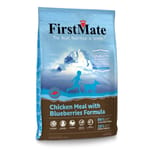
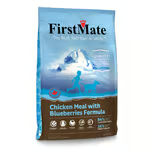
Rank 1: FirstMate Grain-Free Chicken with Blueberries (Small Bites) 11.4kg (25lb). This formulation features chicken meal as a primary protein source, combined with blueberries for antioxidant content. The absence of grains positions it as a suitable option for dogs with sensitivities to common grain ingredients. The "small bites" designation indicates a kibble size designed for easier consumption by smaller breeds or dogs preferring a compact kibble. The 11.4kg unit size caters to regular consumption for medium to large dogs.
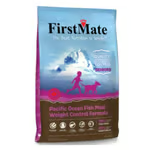
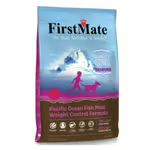
Rank 2: FirstMate Grain-Free Senior or Weight Control Ocean Fish with Potatoes (Small Bites) 11.4kg (25lb). This product is specifically formulated for senior dogs or those requiring weight management. It utilizes ocean fish as the primary protein source, providing a distinct amino acid profile. Potatoes serve as the main carbohydrate source, ensuring a grain-free composition. The reduced caloric density and specific nutrient balance are tailored to support the metabolic needs of older dogs or those needing to maintain a healthy weight. The "small bites" kibble size is consistent with ease of digestion for its target demographic.
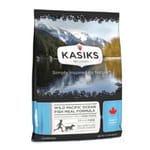
Rank 3: FirstMate Grain-Free Pacific Ocean Fish (Small Bites) 11.4kg (25lb). This formulation emphasizes a single-source protein from Pacific Ocean fish, making it a viable option for dogs with sensitivities to more common protein sources like chicken or lamb. The grain-free nature is maintained through the use of alternative carbohydrate sources. The "small bites" kibble form factor makes it accessible for a broad range of dog sizes. This FirstMate dog food variant focuses on a specific protein profile.
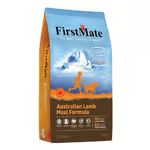
Rank 4: FirstMate Grain-Free Australian Lamb with Berries (Small Bites) 5.44kg (12lb). This formulation incorporates Australian lamb as its primary protein, offering a different protein source compared to fish or chicken-based products. The inclusion of mixed berries contributes to the antioxidant profile. It is also grain-free, using alternative carbohydrate components. The 5.44kg package size is smaller, potentially suitable for households with fewer dogs or for dogs with specific dietary requirements where a larger bag might not be consumed quickly enough. This FirstMate dog food product provides a distinct protein option.
Rank 5: FirstMate Grain-Free Chicken with Blueberries (Small Bites) 6.35kg (14lb). Similar to the top-ranked product, this formulation features chicken meal and blueberries, maintaining a grain-free composition. The key distinction is the package size, which is 6.35kg. This smaller volume might be preferred for smaller dog breeds, for trial purposes, or for managing freshness in households with limited storage or consumption rates. The "small bites" kibble ensures consistent palatability and ease of intake for dogs preferring this form of FirstMate dog food.
Quality Standards and Labeling Norms for FirstMate Dog Food
The production and labeling of FirstMate dog food adhere to established quality standards and regulatory guidelines, primarily those set by organizations such as the Association of American Feed Control Officials (AAFCO) in North America. AAFCO provides guidelines for pet food labeling, ingredient definitions, and nutrient profiles, ensuring that products are complete and balanced for specific life stages. Labels typically include a guaranteed analysis, which specifies minimum percentages of crude protein and crude fat, and maximum percentages of crude fiber and moisture. Ingredient lists are presented in descending order by weight, providing transparency regarding the primary components. Manufacturers of FirstMate dog food often include information about the caloric content and feeding guidelines, which are based on a dog's weight and activity level. Certifications for specific attributes, such as "grain-free" or "limited ingredient," are also common, indicating adherence to particular formulation standards. The manufacturing process itself involves quality control checks to ensure consistency and safety, including testing for contaminants and nutrient accuracy. This regulatory framework ensures that claims made on FirstMate dog food packaging are substantiated.
Factual Insights Regarding FirstMate Dog Food
One verifiable factual insight regarding FirstMate dog food, and premium dog foods in general, pertains to the sourcing of their protein ingredients. Many formulations, particularly those featuring fish, often specify the type of fish and its origin, such as "Pacific Ocean fish." This level of detail in ingredient specification can reflect a commitment to ingredient traceability and quality control. Another insight involves the kibble density. Despite variations in ingredient composition, the extrusion process for FirstMate dog food generally results in a consistent kibble density across different formulations, meaning that a volumetric measure (e.g., a cup) will contain a relatively uniform weight of food, irrespective of the specific flavor profile. This consistency aids in accurate portion control for pet owners.
This document has provided an overview of FirstMate dog food, detailing its structural characteristics, material composition, and classification methods. It has also covered verifiable product characteristics based on sales data and discussed relevant quality standards and labeling practices. The information presented is factual and objective, without engaging in product endorsements or comparative evaluations of FirstMate dog food.
......View All