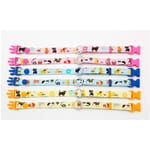
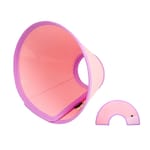
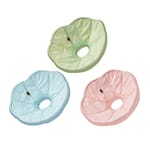
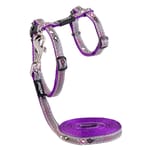
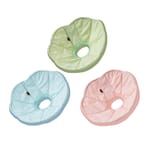
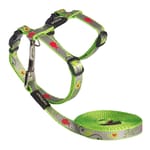
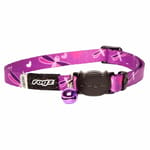
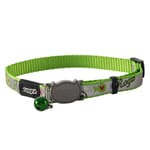
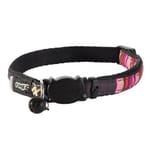
Cat collars are accessories designed specifically for felines, primarily used for leash attachment during outdoor excursions, identification, or as decorative items. These products are typically crafted from various materials such as nylon, leather, or soft fabrics, with designs that prioritize lightness and comfort, taking into account the active nature of cats. There is a diverse range of cat collar types; some feature a safety breakaway buckle that automatically releases if the cat gets caught, thereby reducing the risk of injury. Certain cat collars come with bells, allowing owners to locate their cats by sound, though bell-free options are also available. Adjusting the tightness of a cat collar is a crucial consideration to ensure it does not impede the cat's normal movement or breathing. Furthermore, some collars can be used with ID tags or trackers to increase the chances of recovery. Products in this category aim to offer versatile and safe cat collar options, catering to different pet care requirements.
A cat collar is a band of material worn around the neck of a domestic feline, serving various functional and identification purposes.
This article aims to describe the structure and characteristics of cat collars, focusing on their material composition, structural attributes, and common applications, without providing purchasing advice or comparative analysis of specific products.
Cat Collar Classification and Use Contexts
Cat collars are commonly categorized based on their primary function and design characteristics in practical application. One prevalent classification distinguishes between identification collars and specialized functional collars. Identification collars are primarily designed to carry information tags, such as owner contact details or microchip registration numbers, facilitating the return of a lost cat. These collars often feature a simple band structure with a buckle or quick-release mechanism and an attachment point for tags. Another classification considers the presence or absence of a safety release mechanism. Breakaway or quick-release cat collars are engineered to unlatch under specific pressure, reducing the risk of strangulation if the collar becomes snagged on an object. This safety feature is a key differentiator in the design and material selection for many cat collars. Furthermore, collars can be classified by their intended environmental use, such as indoor-only collars, which may prioritize lightweight materials and aesthetic appeal, versus outdoor-suitable collars, which might incorporate reflective elements for visibility or more durable materials to withstand varied weather conditions. The design of a cat collar often reflects its intended purpose, influencing material choices and structural attributes. Some collars are designed with specific therapeutic or behavioral modification objectives, such as those incorporating pheromone diffusers or those intended to deter licking. These specialized collars introduce additional components and material considerations beyond basic identification or safety. The context of a cat collar's usage directly influences its structural and material composition, from simple fabric bands to more complex designs with multiple integrated features. The varying needs of feline companions, whether for identification, safety, or specific behavioral management, drive the diverse range of cat collar designs available in the market.
Cat Collar Material Composition and Structural Forms
The material composition and structural forms of a cat collar exhibit considerable diversity, reflecting a range of functional requirements and manufacturing capabilities. Common materials include various textiles such as nylon, polyester, and cotton, each offering distinct properties. Nylon, a synthetic polymer, is frequently used for its durability, resistance to abrasion, and ease of cleaning. Polyester shares similar attributes to nylon but can offer greater resistance to UV degradation. Cotton, a natural fiber, is often selected for its softness and breathability, though it may be less resistant to moisture and wear compared to synthetic alternatives. In addition to these primary materials, a cat collar may incorporate other components. Buckles and D-rings, typically made from plastic, metal alloys (such as zinc alloy or stainless steel), or sometimes brass, provide fastening and attachment points for tags or leashes. Plastic buckles are often chosen for their lightweight nature and the ease of incorporating quick-release mechanisms. Metal buckles, while heavier, can offer increased tensile strength and robustness. Reflective materials, such as retroreflective fabrics or coatings, may be integrated into the collar's surface to enhance visibility in low-light conditions. Some specialized collars incorporate electronic components, such as GPS trackers or microchip readers, which require specific housing materials, often durable plastics, to protect the internal circuitry. The structural form of a cat collar typically involves a main band, which can be flat or tubular, varying in width and thickness. Flat bands are common for most general-purpose collars, while tubular forms might be used for specific designs aiming for reduced friction or enhanced comfort. The method of assembly for a cat collar can involve stitching, heat-sealing, or ultrasonic welding to join material segments and secure hardware. Stitching, often performed with robust synthetic threads, ensures strong seams. Heat-sealing is used for synthetic materials to create strong, seamless bonds, particularly for reflective elements or layered designs. The overall structural integrity of a cat collar is a result of the combined strength of its materials and the precision of its manufacturing processes. The choice of materials and construction techniques directly impacts the collar's durability, flexibility, and functional performance, ensuring it can withstand the typical activities of a feline.
Cat Collar Properties and Usage Environments
The properties of a cat collar are significantly influenced by and often tailored to different usage environments and conditions. For cats primarily residing indoors, the emphasis for a cat collar might lean towards lightweight materials and a less obtrusive design. In such environments, the collar's primary functions often include identification and aesthetic appeal. Materials like soft cotton or lightweight nylon are frequently employed, and the attachment hardware might be smaller and less robust than collars intended for outdoor use. The risk of snagging on outdoor elements is minimal indoors, so while a quick-release mechanism is still beneficial for safety, the overall material resilience against environmental stressors is less critical. Conversely, for cats that spend time outdoors, the properties of their cat collar must address a broader range of environmental challenges. Durability against moisture, dirt, and abrasion becomes a more significant factor. Water-resistant or quick-drying synthetic materials, such as treated nylon or polyester, are often preferred to prevent mildew growth and maintain structural integrity. Reflective elements are frequently incorporated into outdoor cat collar designs to enhance visibility, particularly during dawn, dusk, or nighttime hours, which can be crucial for road safety. The buckles and D-rings on outdoor collars may be constructed from more robust metals to withstand greater stress and potential impact. Furthermore, collars for outdoor cats might include features designed to deter pests, such as integrated flea and tick repellents, which involve specific chemical compositions within the collar material. The flexibility of the collar also varies; a more rigid structure might be necessary to support tracking devices or larger bells, while a highly pliable material would be suitable for general identification. Environmental factors like temperature fluctuations can also affect material performance; some plastics may become brittle in extreme cold or lose structural integrity in intense heat, influencing material selection. The design of a cat collar, therefore, is not merely a matter of aesthetics but a direct response to the anticipated stressors and functional demands of its specific usage environment.
Cat Collar Characteristics from Product Sales Ranking
The product sales ranking provides insights into the material and structural characteristics of popular cat collars, reflecting various design approaches. These examples illustrate the diverse functional attributes present in the market. Each cat collar is described based on its observable material and structural components.
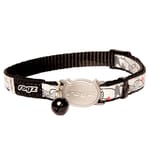
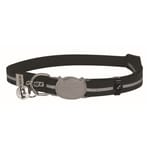
Rank 1: ROGZ Alleycat Cat Collar Black — This cat collar is constructed from a woven synthetic fiber, typically nylon or polyester, presenting a flat band structure. It features a plastic quick-release buckle, designed to open under a specific amount of tension, and a metal D-ring for tag attachment. The color is uniformly black, indicating a dyed synthetic material.
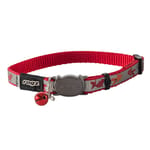
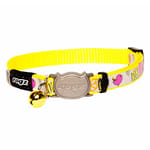
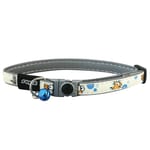
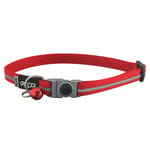
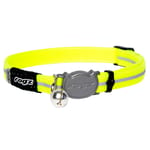
Rank 2: ROGZ Reflectocat Cat Collar Yellow Edge — This cat collar utilizes a synthetic woven fabric, likely nylon or polyester, with an integrated reflective strip along its edge. The reflective component is typically a retroreflective material applied to or woven into the fabric. It incorporates a plastic quick-release safety buckle and a metal D-ring for identification tags. The primary color is not specified, but it features a distinct yellow edge, indicating a contrasting color application or material.
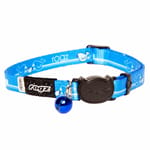
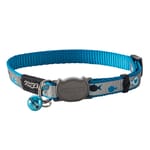
Rank 3: ROGZ Neocat Cat Collar Light Blue — This cat collar is manufactured from a synthetic webbing material, such as nylon or polyester, in a light blue hue. It is characterized by a flat band construction. The collar includes a plastic quick-release safety buckle and a metal D-ring for the attachment of identification tags or accessories. The material is likely chosen for its durability and ease of cleaning.
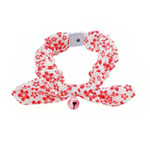
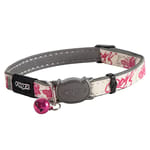
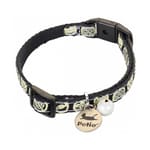
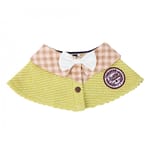
Rank 4: Petio Pastoral Style Bow Tie Collar Cherry Blossom White (for cats) — This cat collar is characterized by its decorative elements. It is likely constructed from a fabric material, such as cotton or a synthetic blend, given its "pastoral style" and the inclusion of a bow tie. The color is white with a cherry blossom motif, suggesting a printed or embroidered pattern on the fabric. It features a fastening mechanism, typically a plastic buckle, and an adjustable strap. The bow tie component is an attached fabric embellishment.
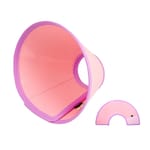
Rank 5: Photocatalytic Cat Collar — This cat collar incorporates photocatalytic material, often titanium dioxide, which is integrated into or coated onto the collar's surface. The base material of the collar is typically a synthetic fabric, such as nylon or polyester, chosen for its durability and suitability for coating. The photocatalytic property is activated by light, facilitating specific chemical reactions on the surface. The collar would include a fastening mechanism, such as a buckle, and a D-ring for tag attachment.
Quality Standards and Labeling for a Cat Collar
Quality standards and labeling practices for a cat collar are crucial for conveying verifiable information regarding its composition, safety features, and intended use. While a universal, legally binding standard specifically for cat collars does not exist across all jurisdictions, manufacturers often adhere to general product safety guidelines and voluntary industry standards. Labeling typically includes information about the material composition, such as "100% nylon webbing" or "polyester with plastic buckle." This material declaration allows consumers to understand the primary components and potential durability or care requirements of the cat collar. For collars incorporating safety features, such as breakaway or quick-release buckles, the labeling often highlights these attributes. Labels might state "safety release buckle" or "designed to release under pressure," providing clear information about the mechanism's function. The tensile strength required to activate these mechanisms may sometimes be specified, offering a quantitative measure of the safety feature. Manufacturers may also include care instructions, such as washing guidelines, to help maintain the collar's integrity and longevity. Information regarding the country of origin is a common labeling requirement, indicating where the cat collar was manufactured. Some products may carry certifications from independent testing bodies, particularly if they claim specific properties like UV resistance or hypoallergenic materials. These certifications attest that the product has met certain predefined performance or safety criteria. For specialized collars, such as those with reflective properties, the labeling might include details about the retroreflectivity performance, often referencing relevant optical standards. The transparency in labeling for a cat collar ensures that consumers can make informed decisions based on factual, verifiable product characteristics rather than subjective claims. The absence of comprehensive mandatory standards means that the level of detail and adherence to specific tests can vary significantly between manufacturers.
Verifiable Factual Insights on a Cat Collar
One verifiable factual insight regarding a cat collar relates to the mechanics of quick-release buckles. These buckles are engineered to disengage when a specific amount of force is applied, typically ranging from 2 to 5 kilograms of pull tension. This design is a safety feature intended to prevent strangulation if the cat collar becomes entangled on an external object, such as a branch, fence, or even another cat's jaw during play. The precise tension threshold is determined during the manufacturing process through calibrated testing, ensuring consistent performance across batches. The material properties of the plastic used in these buckles, generally acetal or nylon, are selected for their combination of strength, flexibility, and consistent release characteristics under tension. Another factual insight pertains to the integration of reflective materials in a cat collar. Retroreflective technology, commonly used in these collars, functions by directing incident light back towards its source, making the object appear brighter to an observer located near the light source. This differs from simple white or light-colored materials that scatter light in multiple directions. The retroreflective properties are achieved through microscopic glass beads or prismatic structures embedded within or coated onto the collar material. These elements act as tiny lenses and mirrors, efficiently returning light to its point of origin, thereby significantly enhancing the visibility of the cat collar in low-light conditions, such as from vehicle headlights, over greater distances compared to non-reflective materials. The effectiveness of this feature can be quantified by standardized retroreflectivity measurements.
The information presented outlines the structural, material, and functional attributes of cat collars, derived from common industry practices and product specifications. This discussion provides a foundational understanding of the category's components and their varied applications.
......View All