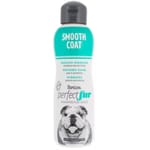
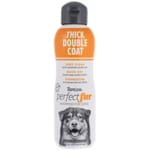
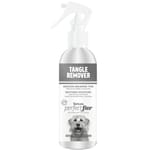
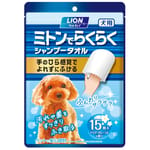
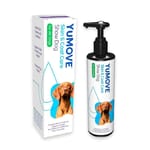
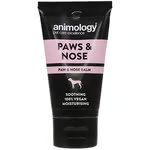
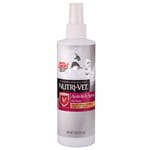
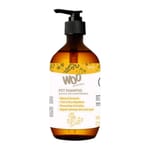
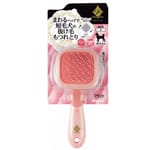
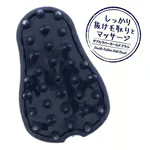
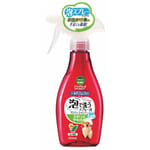
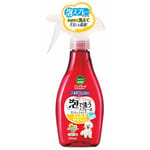
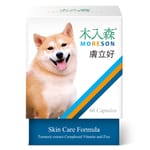
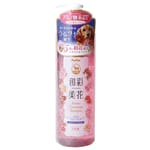
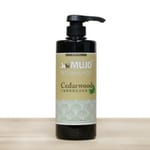
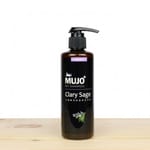
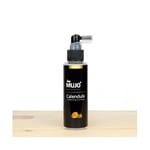
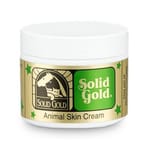
The personal care and beauty products category encompasses a wide array of items designed for personal hygiene and aesthetic maintenance. This classification aims to address daily cleansing, skin hydration, hair care, and other beauty requirements. It may include everyday consumables such as facial cleansers, moisturizing lotions, conditioners, and body washes, as well as specialized skincare serums or masks for specific beauty concerns. Some products are further categorized based on their primary function, ingredient properties, or skin type suitability, offering more targeted options. For instance, within the pet supplies sector, there are also personal care and beauty products specifically formulated for pets, such as pet shampoos or conditioning sprays. These products come in various forms, including liquids, creams, gels, and solids, to accommodate different usage preferences and needs. The design of these personal care and beauty products considers the user's daily regimen, aiming to provide diverse choices for maintaining cleanliness and appearance.
Pet grooming products encompass a diverse range of items designed for the maintenance of companion animal hygiene and appearance.
This article aims to describe the structural attributes, material composition, and usage contexts within the pet grooming product category. It does not provide product recommendations or comparative evaluations of specific items.
Classifications of Pet Grooming Products
The classification of pet grooming products in practical and supply contexts often reflects their primary function and target species. Broad categories include cleaning agents for fur and skin, oral hygiene solutions, pest control applications, and grooming tools. Within cleaning agents, distinctions are made for shampoos, conditioners, and specialized washes, often formulated for specific coat types, skin sensitivities, or age groups of animals. Oral hygiene products typically involve toothpastes, dental sprays, and water additives. Pest control applications cover treatments for external parasites such as fleas and ticks, commonly manifesting as topical solutions, collars, or oral medications. Grooming tools, while not consumable pet grooming products themselves, are integral to the overall grooming process and include brushes, combs, nail clippers, and dematting tools. Further subdivisions can occur based on the active ingredients or the method of application. For instance, medicated shampoos form a distinct sub-category due to their specific pharmaceutical components and intended therapeutic effects. The structure of the market for pet grooming products also often separates items intended for professional use in grooming salons from those marketed for home use by pet owners, with differences in packaging size, concentration, and application equipment.
Material Composition and Formulation Methods in Pet Grooming Products
The material composition and formulation methods of pet grooming products are varied, reflecting the diverse needs and sensitivities of different animal species and their specific physiological characteristics. Shampoos and conditioners, for example, typically contain a base of surfactants, which are agents that reduce surface tension and aid in cleaning by emulsifying oils and dirt. Common surfactants include sodium laureth sulfate, coco-betaine, and decyl glucoside, chosen for their cleansing efficacy and gentleness. Conditioners often incorporate emollients like glycerin, panthenol, and various plant-derived oils (e.g., argan oil, coconut oil) to moisturize skin and fur. Protein hydrolysates, such as hydrolyzed wheat protein or silk protein, may be added to strengthen hair shafts. pH levels are carefully controlled in pet grooming products to align with the skin pH of the target animal, which typically ranges from 6.2 to 7.4 for dogs, differing significantly from human skin pH. Flea and tick collars, a type of pest control pet grooming product, are often composed of a polymer matrix impregnated with active insecticidal or insect growth regulating compounds. These compounds, such as flumethrin or imidacloprid, are designed for slow, continuous release over an extended period. Oral hygiene sprays and washes frequently utilize enzymatic formulations, such as glucose oxidase and lactoperoxidase, which help break down plaque-forming bacteria, or antiseptic agents like chlorhexidine gluconate. Stabilizers, preservatives, and chelating agents are also common constituents across many pet grooming products to ensure product integrity, shelf-life, and safety. The manufacturing process for liquid formulations typically involves blending raw materials in controlled environments, followed by filtration and packaging. Solid forms, such as collars, involve extrusion or molding processes to incorporate active ingredients into a durable matrix. Product labeling standards often require a complete list of ingredients, facilitating transparency regarding material composition.
Variations in Pet Grooming Products Across Usage Environments
Pet grooming products exhibit variations in their properties and formulations depending on the specific usage environment or conditions. For instance, products designed for routine home use prioritize ease of application and general maintenance, often featuring milder formulations suitable for frequent use. These pet grooming products might have lower concentrations of active ingredients compared to professional-grade equivalents. Conversely, products intended for veterinary clinics or professional grooming salons may be formulated for more intensive cleaning, specific dermatological conditions, or pest infestations, often requiring specialized application techniques or higher concentrations of active compounds. The environmental conditions under which a pet lives can also influence product selection; for example, animals living in humid climates might benefit from formulations designed to prevent fungal growth, while those in dry environments may require more hydrating pet grooming products. Furthermore, the presence of specific allergens in the environment can necessitate hypoallergenic or fragrance-free formulations. Outdoor pets, particularly those exposed to parasites, often require more potent and long-lasting pest control pet grooming products compared to indoor pets. The physical environment also dictates the form factor; for example, waterless shampoos are developed for situations where traditional bathing is impractical or undesirable, such as during travel or for elderly or infirm animals. The material composition of these waterless options often includes absorbent powders or non-rinse cleansers. Similarly, the efficacy of certain pest control pet grooming products, like flea and tick collars, can be influenced by exposure to water or direct sunlight, necessitating specific material properties to maintain active ingredient stability and release rate under varying environmental stressors. Understanding these environmental interactions is crucial for selecting appropriate pet grooming products for optimal efficacy and safety.
Pet Grooming Products: Sales Ranking and Characteristics
This section presents information on specific pet grooming products based on sales ranking, detailing their material, formula, or structural characteristics without offering usage recommendations.
Rank 1: Bayer Seresto Flea & Tick Collar Small Dog under 8kg (UK Version) — This product is a collar composed of a polymer matrix. The matrix is impregnated with two active ingredients: flumethrin and imidacloprid. Flumethrin is a pyrethroid insecticide and acaricide, while imidacloprid is a neonicotinoid insecticide. The collar is designed for continuous, slow release of these active compounds onto the animal's skin and coat. The polymer material is engineered to allow for controlled diffusion of the active substances over an extended period, providing sustained protection against fleas and ticks. The specific formulation of the UK version adheres to regulatory standards for that region.
Rank 2: MicrocynAH Pet Ear Wash 3oz 100ml — This ear wash is an aqueous solution primarily composed of hypochlorous acid (HOCl) at a specific concentration, typically 0.009%. Hypochlorous acid is a naturally occurring molecule produced by the immune system. The solution is formulated for stability and pH balance, usually within a physiological range, to ensure compatibility with animal tissues. Other components may include purified water, sodium chloride, and buffering agents to maintain solution integrity. The product is packaged in a liquid form designed for direct application into the ear canal.
Rank 3: MicrocynAH Pet Skin Care Spray 16oz 500ml — Similar to the ear wash, this skin care spray is an aqueous solution containing hypochlorous acid (HOCl) as its primary active ingredient, typically at a concentration of 0.009%. The formulation is designed for topical application to the skin. Its composition includes purified water, sodium chloride, and buffering agents to maintain a stable, pH-balanced solution. The larger volume packaging is suitable for broader application areas or more frequent use. The delivery mechanism is a spray bottle, facilitating even distribution over affected skin surfaces.
Rank 4: MicrocynAH Pet Oral Care Spray 3oz 100ml — This oral care spray is formulated as an aqueous solution with hypochlorous acid (HOCl) as the key active component, generally at a concentration of 0.009%. It is specifically designed for application within the oral cavity. The composition includes purified water, sodium chloride, and pH-stabilizing agents to ensure safety and efficacy for oral use. The spray format allows for targeted application to teeth and gums. The material properties of the solution are intended to be non-irritating to oral mucous membranes.
Rank 5: Animology Dog Shampoo Mild Formula 2.5L — This dog shampoo is a liquid formulation designed for general canine hygiene. Its material composition includes a blend of surfactants chosen for their cleansing properties, along with conditioning agents to maintain coat health. The "mild formula" designation indicates a selection of ingredients that are less likely to cause skin irritation. Common components in such formulations include anionic and amphoteric surfactants, humectants like glycerin, and potentially natural extracts or vitamins. The 2.5-liter volume suggests it is intended for frequent use or for professional grooming settings. The pH of the shampoo is typically balanced to be compatible with canine skin.
Quality Standards and Labeling in Pet Grooming Products
Verifiable quality standards, labeling transparency, and documentation norms are critical aspects of pet grooming products, ensuring product integrity and consumer information. Regulatory bodies in various jurisdictions establish guidelines for the manufacturing, labeling, and marketing of these products. For instance, in the United States, pet grooming products that make therapeutic claims (e.g., treating skin conditions or parasites) may be regulated by the Food and Drug Administration (FDA) or the Environmental Protection Agency (EPA), depending on the specific claim and active ingredients. Products primarily for cosmetic purposes might fall under less stringent regulations. Labeling requirements typically mandate a comprehensive ingredient list, often in descending order of concentration, allowing consumers to understand the material composition. This includes active ingredients, excipients, preservatives, and fragrances. Batch numbers and expiration dates are usually present to facilitate traceability and ensure product freshness. Instructions for use, storage conditions, and warnings regarding potential adverse reactions or contraindications are also standard elements on pet grooming products. Many manufacturers adhere to Good Manufacturing Practices (GMP) during production, which are a set of guidelines ensuring consistent quality and control. Certifications from independent organizations, though not always mandatory, can further attest to product quality, such as certifications for organic ingredients or cruelty-free testing. Documentation norms extend to providing Safety Data Sheets (SDS) for professional users, detailing chemical properties, handling instructions, and emergency procedures. The transparency of labeling practices for pet grooming products directly impacts the ability of consumers to make informed choices based on factual product attributes.
Verifiable Insights into Pet Grooming Products
One verifiable factual insight regarding pet grooming products is the significant difference in skin pH between humans and dogs, which impacts formulation. Human skin typically has an acidic pH ranging from 5.2 to 6.2, whereas canine skin generally has a more neutral pH, often between 6.2 and 7.4. This physiological distinction necessitates specialized formulations for pet grooming products intended for dogs. Using human shampoos, which are designed for an acidic pH, on dogs can disrupt their skin's natural protective barrier, potentially leading to dryness, irritation, or increased susceptibility to bacterial or fungal infections. Consequently, pet grooming products for dogs are specifically pH-balanced to align with canine epidermal physiology, aiming to maintain the integrity of their skin barrier. The careful control of pH in pet grooming products is a fundamental aspect of their design and efficacy.
Another verifiable factual insight pertains to the active ingredients in flea and tick collars, a common type of pet grooming product. Many such collars utilize a polymer matrix designed for controlled release of insecticides or acaricides. The active compounds, such as flumethrin or imidacloprid, are incorporated into the collar material during manufacturing. The release mechanism is typically based on diffusion, where the active substance slowly migrates from the polymer matrix to the surface of the collar and then transfers to the animal's skin and coat through contact. This continuous, low-dose release ensures prolonged efficacy against parasites, often for several months, without the need for frequent reapplication. The specific polymer composition and the concentration of active ingredients are engineered to maintain a consistent release rate and prevent premature depletion of the active compounds, distinguishing these pet grooming products from topical spot-on treatments that deliver a single, high dose.
The field of pet grooming products encompasses a structured array of items, each characterized by specific material compositions, structural designs, and intended applications. The goal of this article has been to classify and describe these attributes objectively.
......View All