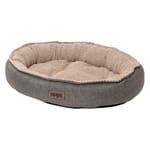
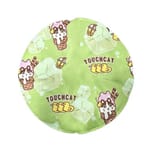
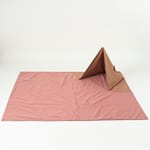
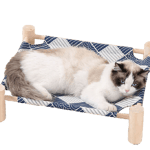
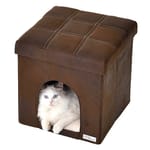
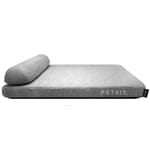
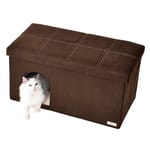
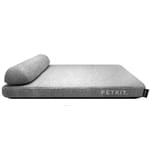
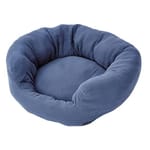
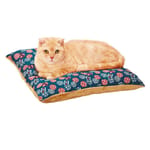
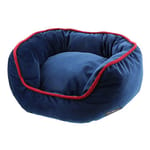
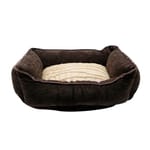
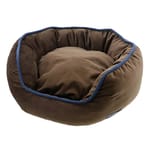
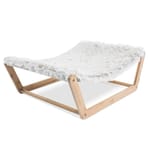
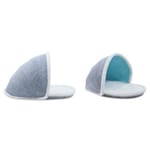
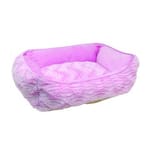
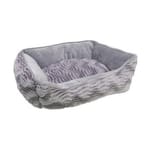
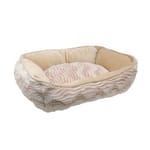
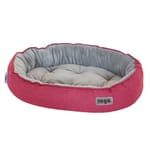
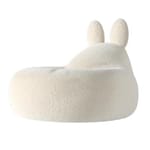
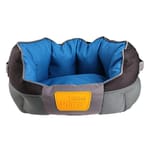
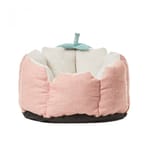
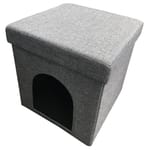
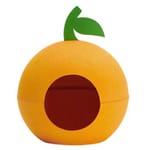
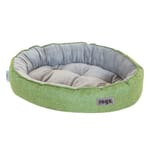
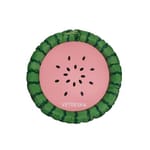
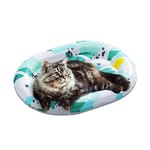
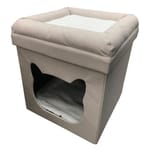
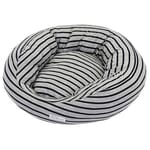
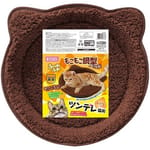
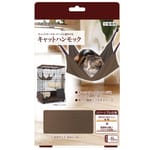
Pet beds offer a dedicated resting place for felines, with a variety of material options such as fabric, memory foam, or gel. These cat beds are designed to provide support and comfort, with some models addressing seasonal changes, such as cooling cat ice pads or warming cat houses. Types of pet beds include flat pads, bolstered designs, or suspended options like cat hammocks. Various sizes and shapes of pet beds are available to accommodate different cat body types and can be placed in various indoor areas. This category of products aims to create a specific resting zone for cats, meeting their daily needs for sleep and relaxation.
A cat bed, often referred to as a cat mattress, is a dedicated resting surface designed for felines, typically constructed from various materials and engineered with specific structural forms to accommodate their physiological and behavioral needs for repose.
This article aims to describe the structural attributes, material compositions, and usage contexts within the category of cat beds, without offering product recommendations, comparative analyses, or selection advice.
Cat Bed Classification and Practical Use Contexts
The classification of cat beds in practical use or supply contexts frequently involves distinctions based on their primary function or environmental suitability. One common division separates open-form designs from enclosed structures. Open-form cat beds typically present as flat pads, shallow baskets, or simple platforms, offering unrestricted access and visibility. These designs often prioritize ease of cleaning and portability. Conversely, enclosed structures, such as cat houses or covered pods, provide a sense of security and privacy, mimicking natural den environments. Such structures may incorporate features like partially enclosed sides or full roofs, limiting external stimuli. Another classification considers seasonality, leading to categories like cooling cat beds designed for warmer climates and insulated cat beds for colder environments. Cooling cat beds often incorporate heat-dissipating materials or elevated designs for airflow, while insulated variants utilize materials with higher thermal retention properties. The structural rigidity also serves as a classification criterion, differentiating between soft, deformable cat beds and rigid, framed structures. Soft cat beds, often filled with fibrous materials, conform to the cat's body shape, whereas rigid frames provide stable support and maintain a fixed form. Furthermore, the mode of placement can classify cat beds, including floor-standing units, elevated platforms, and suspended cat hammocks. Each classification reflects a specific design approach intended to meet varied feline preferences and owner requirements within a given spatial or climatic condition.
Cat Bed Material Composition and Structural Forms
The material composition and structural forms of a cat bed exhibit considerable diversity, influencing its physical properties and intended application. Common filling materials include polyester fibers, memory foam, and shredded foam, each contributing distinct levels of cushioning and support. Polyester fibers, often recycled, provide a soft, resilient fill that maintains loft. Memory foam, a viscoelastic polyurethane foam, contours to the cat's body shape in response to heat and pressure, offering pressure point relief. Shredded foam offers a more malleable and adaptable fill. The outer fabric layers frequently utilize textiles such as fleece, faux fur, cotton, linen, or synthetic blends like nylon and polyester. Fleece and faux fur provide thermal insulation and a soft tactile surface. Cotton and linen offer breathability and natural fiber properties. Synthetic blends often enhance durability, water resistance, or ease of cleaning. For cooling cat beds, materials like gel-infused foams, phase-change materials (PCMs), or elevated mesh fabrics are employed. Gel-infused foams incorporate cooling gels into the foam structure to dissipate heat. PCMs absorb and release latent heat to maintain a stable temperature. Elevated mesh fabrics facilitate airflow, preventing heat buildup. In contrast, insulated cat beds may incorporate thermal reflective layers, multiple layers of high-loft batting, or dense, non-woven materials to enhance heat retention. Structural forms vary from simple flat pads, which are essentially layered textile and fill constructions, to complex multi-component designs. Enclosed cat beds often feature rigid or semi-rigid frames made from materials such as cardboard, plastic, or wood, covered with fabric. Suspended cat hammocks typically consist of a fabric sling supported by a metal or wooden frame, or directly attach to furniture using straps or hooks. Woven structures, such as those made from natural fibers like seagrass or rattan, provide a semi-rigid, breathable form. The construction method often involves stitching for fabric components, adhesive bonding for foam layers, and mechanical fasteners or interlocking joints for rigid frames. Each combination of material and structure is engineered to achieve specific functional attributes, such as durability, thermal regulation, or structural integrity for the cat bed.
Cat Bed Properties in Diverse Usage Environments
The properties of a cat bed manifest differently across various usage environments and conditions, primarily due to interactions with ambient temperature, humidity, and physical stressors. For instance, a cat bed designed for indoor use in a climate-controlled environment may prioritize softness and aesthetic integration, utilizing materials that might not withstand outdoor elements. Conversely, an outdoor cat bed requires robust, weather-resistant materials such as waterproof nylon or treated canvas to resist moisture and UV degradation, and often features elevated designs to prevent direct contact with cold or damp ground. In humid conditions, a cat bed constructed from highly absorbent materials like certain natural fibers may retain moisture, leading to microbial growth, whereas synthetic, quick-drying fabrics or elevated mesh designs would mitigate this issue. For environments with significant temperature fluctuations, a cat bed with thermal regulation properties becomes relevant. A cooling cat bed, for example, might effectively dissipate heat in a warm room through gel infusions or breathable fabrics, maintaining a lower surface temperature. In a cold room, however, the same cooling cat bed would not provide thermal insulation. Conversely, an insulated cat bed, utilizing high-loft fills or thermal reflective layers, would retain warmth effectively in a chilly setting but could become uncomfortably warm in a hot environment. Structural stability is another property affected by usage. A cat bed intended for active cats or multi-cat households might require a more durable frame and tear-resistant fabrics compared to one for a sedentary single cat. The presence of abrasive surfaces or direct sunlight can also accelerate material degradation, impacting the longevity and structural integrity of the cat bed. Therefore, the selection of materials and structural design is fundamentally linked to the anticipated environmental demands to ensure the cat bed retains its intended properties over time.
Cat Bed Product Characteristics Based on Sales Ranking
This section details the material and structural characteristics of cat beds, strictly based on their observed sales ranking, without any commentary on performance or suitability.
Rank 1: VETRESKA Cactus Cat House 45x45x42cm — This cat bed features an enclosed, multi-dimensional structure resembling a cactus. The external shell is typically constructed from dense felt or similar compressed textile, providing structural rigidity and shape retention. The interior often includes a removable cushion, commonly filled with polyester fiber, providing a soft surface. The overall form is designed for stability and to offer an enclosed space.
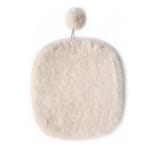
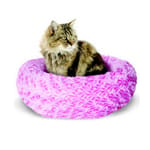
Rank 2: MOBOLI Cat Capsule Faux Rabbit Fur Pad — This cat bed is characterized by its capsule-like form factor. The primary material for the sleeping surface is faux rabbit fur, which is a synthetic textile engineered to mimic the texture of natural fur. The core structure is often a foam base, providing a contoured shape and cushioning. The design typically includes elevated edges to create a recessed sleeping area, and the faux fur is applied as a surface layer over the foam.
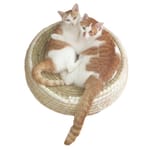
Rank 3: Natural Hand-Woven Grass Cat Bed — This cat bed is constructed from natural, hand-woven grass fibers, such as seagrass or rattan. The weaving technique provides a semi-rigid, breathable structure that maintains its form. The material is typically untreated, retaining its natural texture and color. The structure is often a basket-like shape, with an open top and enclosed sides, sometimes accompanied by a separate, removable fabric cushion for the interior base.
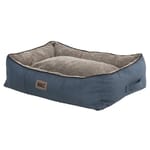
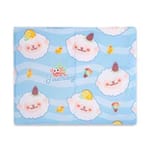
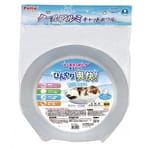
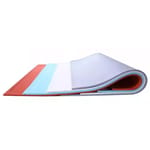
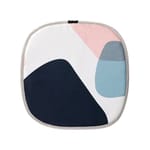
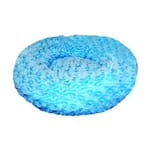
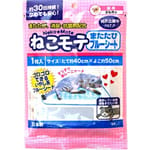
Rank 4: Japan Earth Turkey Cat's Good Mood Mat (Blue) (Discontinued) — This cat bed, though discontinued, was characterized as a mat-style cat bed. Mats typically consist of a layered construction: an outer fabric shell (in this instance, specified as blue) encasing an internal core. The internal core would likely be a low-density foam or a batting material, providing minimal elevation and cushioning. The term "mat" suggests a relatively flat, non-enclosed design with textile components.
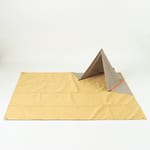
Rank 5: Enclosed Foldable Cat House Cat Tent Dark Gray — This cat bed is defined by its enclosed, foldable structure, indicating a design that can be collapsed for storage or transport. The primary structural components are typically lightweight, flexible frames, possibly made of wire or plastic rods, which support a fabric exterior. The fabric, specified as dark gray, is likely a durable synthetic textile, such as polyester or nylon. The "house" or "tent" designation implies a full enclosure with an opening for access, providing a private space. The foldable nature means the fabric and frame components are designed for articulation and compact storage.
Cat Bed Quality Standards and Labeling Norms
Verifiable quality standards and labeling transparency for a cat bed are primarily governed by general consumer product safety regulations and, in some regions, specific animal welfare guidelines. There are no universally adopted, mandatory international standards exclusively for cat beds comparable to those for human medical devices or food products. However, manufacturers often adhere to voluntary standards or internal quality control protocols. Material composition is frequently disclosed on product labels, detailing the type of fabric (e.g., 100% polyester, cotton blend) and filling material (e.g., polyurethane foam, recycled fiber). This information allows consumers to assess potential allergens or material durability. Flammability standards, while not always pet-specific, may be referenced, especially for textiles and foams, aligning with general household furnishing safety requirements. For cat beds containing specific functional additives, such as cooling gels or antimicrobial treatments, manufacturers may provide documentation or certifications from material suppliers. Structural integrity claims, such as weight capacity or resistance to deformation, are typically based on internal testing data, which may or may not be publicly accessible. Ecological certifications, such as those for recycled content or sustainable sourcing, can also be indicated on labels, often from third-party organizations. Labeling norms generally include the manufacturer's name, country of origin, care instructions (e.g., machine washable, spot clean only), and sometimes a batch number for traceability. The absence of a specific cat bed standard means that objective quality assessment often relies on the transparency of material declaration and adherence to broader product safety principles. The term "hypoallergenic" may appear, implying materials selected to minimize allergic reactions, though the scientific validation for such claims can vary. For a cat bed, the presence of clear, unambiguous labeling regarding its constituent materials, care instructions, and any safety-related information is the primary means for consumers to understand its characteristics.
Insights into Cat Bed Design and Functionality
One verifiable factual insight regarding a cat bed concerns feline thermoregulation. Domestic cats maintain a core body temperature range typically between 38.1°C and 39.2°C. To assist in this, cats often seek out surfaces that either facilitate heat dissipation or retention, depending on ambient conditions. Consequently, a cat bed engineered with phase-change materials (PCMs) or elevated mesh structures can absorb excess body heat, moving from a solid to a liquid state when the ambient temperature rises above a certain threshold, thereby providing a cooling effect. Conversely, in cooler environments, a cat bed with a high-loft polyester fiber fill or a faux fur surface provides insulating properties, trapping air within its structure to minimize heat loss from the cat's body. This direct interaction with thermoregulation is a fundamental principle guiding the design of specialized cat beds for different climates.
Another factual insight pertains to the structural preferences of felines. Cats are naturally inclined towards enclosed or elevated resting spaces. This behavior stems from their evolutionary history as both predators and prey, where enclosed spaces offer security from perceived threats and elevated positions provide a vantage point for observation. Therefore, a cat bed designed as a fully enclosed 'cat cave' or an elevated 'cat hammock' directly addresses these innate behavioral tendencies. The structural form of such a cat bed is not merely aesthetic but serves a functional purpose by providing a sense of safety and control over their environment, which is a significant factor in their selection of a resting spot. The material choice for an enclosed cat bed also plays a role in enhancing this sense of security, with dense, opaque fabrics contributing to the feeling of being hidden.
The variety of cat bed options reflects the diverse structural and material approaches employed to meet the specific requirements for feline resting spaces, without implying any hierarchy of quality or preference.
......View All