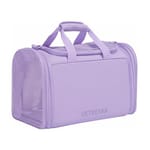
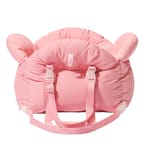
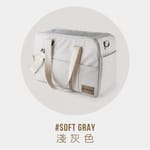
Pet carriers are items specifically designed for transporting pets outdoors, primarily functioning to provide a secure mobile space for animals. This category encompasses various forms, including handheld bags, shoulder bags, backpacks, and wheeled trolleys. The materials used are diverse, commonly featuring breathable mesh, durable nylon, waterproof canvas, or lightweight EVA, to suit different usage scenarios. The design of pet carriers typically prioritizes ventilation, stability, and ease of cleaning, with some models incorporating safety tethers to secure the pet and prevent escapes. Size selection depends on the pet's size and weight, ensuring adequate space for movement within the carrier. These products are suitable for short-distance travel with pets, public transportation, or outdoor walks, offering pet owners a convenient carrying method while ensuring the pet's safety and comfort during transit, such as when using a pet backpack for outdoor activities.
A pet carrier bag is a containment device designed for the temporary transport of small animals, typically companion pets such as dogs and cats, from one location to another.
This article aims to describe the structural attributes, material composition, and usage context of pet carrier bags, focusing on objective characteristics rather than product recommendations or comparative evaluations.
Pet Carrier Bag Classification by Structural Design
Pet carrier bags are commonly categorized based on their structural design, which dictates their primary mode of use and the degree of enclosure provided to the animal. One primary distinction is between soft-sided and hard-sided carriers. Soft-sided pet carrier bags are typically constructed from flexible textiles such as nylon, polyester, or canvas, often incorporating mesh panels for ventilation. Their pliable nature allows for some degree of compression for storage and can adapt slightly to the contours of the animal or the user's body. These often feature zippered openings, shoulder straps, and sometimes internal leashes or tethers. The structural integrity of soft-sided carriers is maintained through internal wiring, rigid base inserts, or reinforced seams. Another classification relates to their carrying method, distinguishing between hand-held bags, shoulder bags, and backpack-style carriers. Hand-held bags are designed for short-distance transport, relying on handles for manual carrying. Shoulder bags provide a hands-free option, distributing weight across the user's shoulder. Backpack-style pet carrier bags, including pet backpacks, are designed to be worn on the user's back, distributing the animal's weight across both shoulders and the back, which can be advantageous for longer journeys or when carrying other items. Some designs incorporate wheels, creating a rolling pet carrier bag, offering an alternative for heavier animals or extended travel. Front-facing carriers, sometimes referred to as chest packs, position the animal on the user's front, allowing for direct observation and interaction. These variations in structural design reflect different functional priorities, such as portability, ventilation, and user ergonomics.
Pet Carrier Bag Material Composition and Manufacturing
The material composition of a pet carrier bag is a critical determinant of its durability, weight, and suitability for various environmental conditions. Textiles like polyester and nylon are frequently employed due to their tear resistance, water repellency, and ease of cleaning. Polyester, a synthetic polymer, offers good strength-to-weight ratio and resistance to stretching and shrinking. Nylon, another synthetic polyamide, is known for its exceptional strength, abrasion resistance, and elasticity. The denier count, which measures fiber thickness, is often specified for these materials, with higher numbers indicating greater durability. Canvas, a heavy-duty plain-woven fabric typically made from cotton or linen, is also used, offering breathability and a natural aesthetic, though it may be heavier and less water-resistant than synthetic options. Mesh panels, integral for ventilation in most pet carrier bags, are commonly made from PVC-coated polyester or nylon, providing airflow while maintaining structural integrity and resistance to clawing. The frame elements, particularly in soft-sided carriers, often consist of lightweight metal alloys, such as aluminum, or high-density plastic rods, which provide shape and support without adding excessive weight. Hard-sided carriers, in contrast, are primarily constructed from rigid plastics like polypropylene or ABS (Acrylonitrile Butadiene Styrene). Polypropylene is a thermoplastic polymer known for its high impact resistance, chemical resistance, and rigidity. ABS is another robust thermoplastic polymer, offering good impact strength and toughness. These materials are typically injection-molded to create the carrier's shell. Fasteners, such as zippers, buckles, and clips, are usually made from metal (e.g., steel, aluminum alloy) or durable plastics (e.g., acetal, nylon). The manufacturing process for textile-based pet carrier bags involves cutting fabric patterns, stitching components together using industrial sewing machines, and integrating zippers, mesh, and structural inserts. Hard-sided carriers involve the molding of plastic components and subsequent assembly. The selection of materials and manufacturing techniques directly influences the carrier's performance attributes.
Pet Carrier Bag Properties Across Usage Environments
The properties of a pet carrier bag exhibit variations depending on the intended usage environment and conditions. For air travel, specific design parameters are mandated by airlines, often requiring carriers to be soft-sided and collapsible to fit under an aircraft seat, or to meet specific dimensions for cargo hold transport. These carriers typically feature enhanced ventilation, leak-proof bottoms, and secure closures. For ground transportation, such as car travel, pet carrier bags may be designed with features that allow them to be secured with seat belts, preventing movement during transit. Some incorporate rigid frames or reinforced walls for increased collision protection. The material composition also adapts to environmental factors; for instance, carriers intended for warm climates might prioritize extensive mesh ventilation, while those for cooler conditions might feature more insulated panels or wind-resistant fabrics. The structural integrity of a pet carrier bag is also tested by the duration of transport; short trips might permit lighter, less structured designs, whereas extended journeys necessitate robust construction that maintains its form and comfort for the animal over time. The external environment, such as exposure to rain or direct sunlight, influences material choices, with water-resistant or UV-resistant fabrics being selected for outdoor use. For urban environments, portability and discreet design might be emphasized, while for rural or outdoor activities, features like ruggedized bottoms or additional storage pockets could be incorporated into the pet carrier bag design. The choice of pet carrier bag is therefore intrinsically linked to the specific context of its deployment.
Pet Carrier Bag Characteristics from Sales Ranking
Rank 1: Dfang Pet Carrier Bag Light Grey 45cmX19cmX29cm (suitable for under 6kg) — This pet carrier bag is specified by its dimensions and a maximum weight capacity. The color is light grey. Its structure is indicative of a soft-sided carrier, given the typical dimensions for such items. The material composition would likely include durable fabric for the main body and mesh panels for ventilation. Internal structural elements, such as a removable base or flexible framing, would maintain its shape. The stated size suggests suitability for small to medium-sized pets.
Rank 2: Dfang Pet Carrier Bag Milky White 45cmX19cmX29cm (suitable for under 6kg) — This item shares identical structural and dimensional characteristics with the Rank 1 product, differing only in its milky white color. Its design would involve similar fabric components, mesh ventilation, and internal support structures. The consistent sizing and weight capacity indicate a standardized design within the Dfang product line for a pet carrier bag of this type.
Rank 3: VETRESKA Pet Travel Bag 46x25x30cm (VK15583) — This pet travel bag is identified by its specific dimensions. The general term "travel bag" suggests a design optimized for transport, likely incorporating features for secure closure and ventilation. The structure would be soft-sided, utilizing durable textile materials and mesh. The designation VK15583 is a product identifier, not indicative of material or structural properties. The dimensions suggest it accommodates small to medium-sized animals.
Rank 4: VETRESKA Pet Flower Car Travel Bag Pink 48x46x35cm (VK15583) — This product is specified as a "car travel bag," implying design elements for vehicle integration, such as seatbelt loops or a stable base. Its dimensions are larger than the previous VETRESKA item. The "flower" descriptor likely refers to an aesthetic pattern on the fabric. The pink color is a surface finish attribute. As a car travel bag, its structure would prioritize stability and secure placement within a vehicle, likely combining soft-sided elements with a robust internal frame for structural rigidity during motion. This pet carrier bag is designed for specific vehicular use.
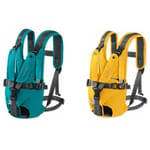
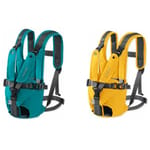
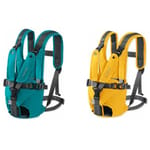
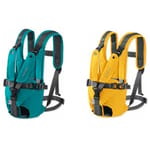
Rank 5: TOUCHDOG Rainbow Egg Pet Front Carrier Peacock Green/Sunflower Yellow S (color randomly selected) — This is identified as a "front carrier," meaning it is worn on the user's chest. The "Rainbow Egg" likely refers to its aesthetic shape or design motif. The size "S" indicates suitability for smaller pets. The material composition would be fabric-based, with a focus on ergonomics for both pet and wearer. It would feature adjustable straps and secure enclosures. The "color randomly selected" note pertains to its external appearance, not its fundamental structure or material composition. This type of pet carrier bag facilitates close contact between the pet and the owner.
Pet Carrier Bag Quality Standards and Documentation
The quality standards for a pet carrier bag are often influenced by regulatory bodies, industry associations, and manufacturer specifications, though a universally adopted singular standard may not exist. For air travel, specific guidelines are issued by airlines, which typically dictate maximum dimensions, required ventilation, and the type of construction (e.g., soft-sided for cabin, rigid for cargo). These are operational requirements rather than material standards. Manufacturers often adhere to internal quality control protocols encompassing material testing for tensile strength, abrasion resistance, and colorfastness. Fabric materials may be tested for compliance with textile standards regarding flammability or chemical content, particularly for components that may come into contact with the animal. For plastic components, certifications related to material safety and durability might be relevant. Labeling transparency is a key aspect, with manufacturers typically providing information on the pet carrier bag regarding its dimensions, maximum weight capacity, material composition (e.g., "100% Polyester," "Polypropylene"), and care instructions. This information aids consumers in selecting an appropriate carrier. Documentation norms frequently include user manuals that detail assembly instructions, cleaning recommendations, and safety precautions. Some pet carrier bags may carry certifications from independent testing laboratories for specific performance attributes, such as crash-testing for car carriers, though this is not universal. The presence of such documentation and adherence to stated specifications contribute to the verifiable quality of a pet carrier bag.
Pet Carrier Bag Factual Insights
One verifiable factual insight regarding pet carrier bags is that the design of ventilation panels is not solely for air circulation; it also serves a critical function in allowing the animal to observe its surroundings, which can reduce stress during transport. The strategic placement and size of mesh windows in a pet carrier bag directly influence the animal's visual access to the external environment. Another factual insight is that the majority of soft-sided pet carrier bags incorporate a removable, rigid base insert. This insert, often made from corrugated plastic or a thin wooden board covered in fabric, serves to maintain the structural integrity of the base, preventing sagging and providing a stable platform for the animal during transport. This structural element is distinct from the flexible walls and contributes significantly to the overall form retention of the pet carrier bag.
The preceding information provides a structural and material overview of pet carrier bags, detailing their composition, design variations, and relevant standards, without offering any purchase recommendations or comparative analyses.
......View All