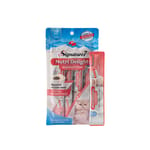
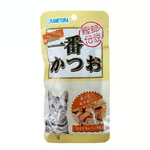
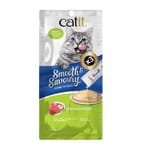
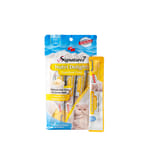
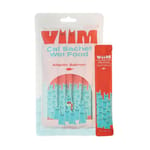
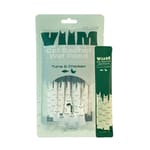
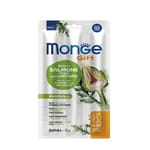
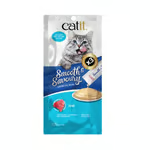
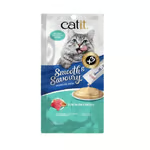
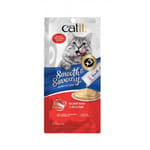
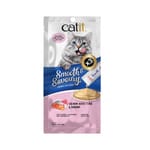
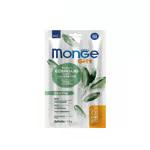
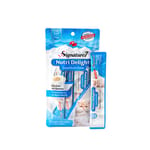
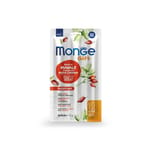
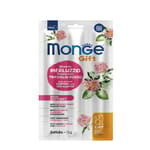
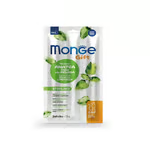
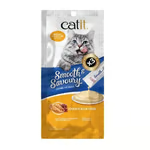
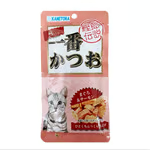
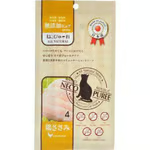
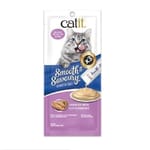
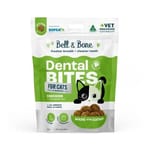
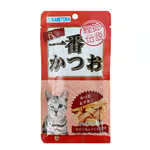
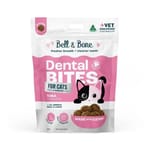
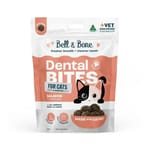
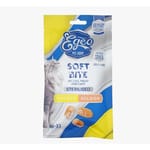
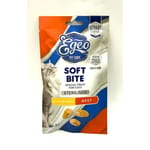
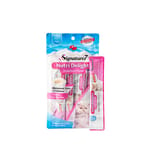
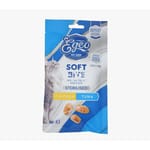
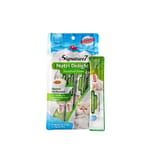
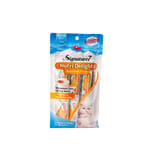
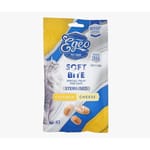
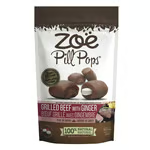
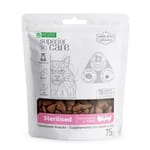
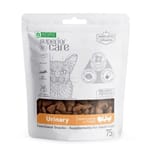
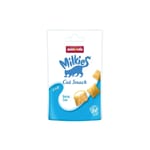
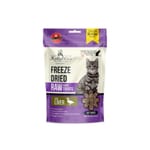
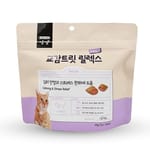
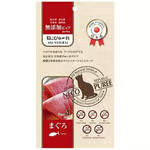
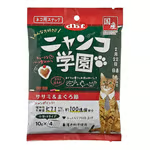
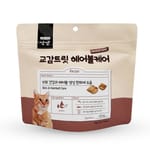
The 'Other Cat Snacks' category encompasses a variety of supplementary food items that are not intended as primary meals, serving to provide felines with additional nutritional support or as rewards. These cat snacks come in diverse forms, commonly including freeze-dried treats, purees, biscuits, dental sticks, and other specially shaped delicacies. Their compositions typically feature meat-based proteins, with some products incorporating vitamins, minerals, or other functional ingredients. When selecting from this range of other cat snacks, consideration can be given to the cat's age, size, activity level, and specific requirements. These items are generally packaged in small portions, allowing pet owners in Malaysia to conveniently administer them in moderation during daily interactions, either as encouragement for positive behavior or to strengthen the bond between cat and owner. Products within this category are not classified as main meals; their primary function is to supplement, rather than replace, regular dietary intake, ensuring the cat receives balanced nutrition.
Cat treats encompass a diverse range of supplementary food items designed for felines, distinct from their primary dietary intake, and typically administered in smaller portions as rewards or occasional indulgences.
This article aims to provide a structured understanding of the cat treats category, focusing on its attributes, material compositions, and structural characteristics, rather than offering product recommendations or comparative analyses of specific items.
Cat Treats: Classification by Formulation Type
The classification of cat treats is frequently organized by their formulation type, reflecting the methods and ingredients used in their production. One primary division separates them into dry, semi-moist, and wet forms. Dry cat treats are characterized by a low moisture content, typically below 10%, and often present as crunchy kibble-like pieces, biscuits, or freeze-dried preparations. These products undergo processes such as extrusion or freeze-drying to achieve their solid, shelf-stable state. The inherent dryness contributes to their extended shelf life and often results in a firm texture. Semi-moist cat treats, conversely, contain a higher moisture level, generally ranging from 15% to 30%. This moisture content imparts a softer, more pliable texture, often achieved through humectants like propylene glycol or sorbitol, which prevent microbial growth while maintaining pliability. These treats are frequently shaped into soft chewable forms. Wet cat treats, including purees, pastes, and liquid formulations, possess the highest moisture content, often exceeding 70%. Their consistency ranges from thick liquids to viscous gels, commonly packaged in tubes, pouches, or small cups. The high moisture content necessitates different preservation methods, often involving retort sterilization or refrigeration after opening. Another common classification distinguishes between single-ingredient treats and multi-ingredient formulations. Single-ingredient cat treats are composed primarily of one animal protein source, such as freeze-dried chicken or fish, without significant additional components. Multi-ingredient cat treats incorporate various protein sources, carbohydrates, fats, vitamins, and minerals, formulated to achieve specific nutritional profiles or palatability characteristics. This structural distinction influences both the processing methods and the final physical attributes of the cat treats.
Cat Treats: Material Composition and Processing Techniques
The material composition and processing techniques applied to cat treats are fundamental determinants of their physical and chemical properties. Protein sources constitute a significant component, frequently derived from animal tissues such as chicken, beef, lamb, salmon, tuna, or other fish. These proteins are often supplied in various forms, including fresh meat, meat meals, or hydrolysates. Carbohydrates, while not always the primary ingredient, can be incorporated from sources like rice, corn, wheat, peas, or potatoes, contributing to texture and energy content. Fats, sourced from animal fats (e.g., chicken fat) or vegetable oils (e.g., sunflower oil), enhance palatability and provide essential fatty acids. The selection of these raw materials directly impacts the treat's nutritional profile and flavor characteristics. Processing techniques vary considerably across different types of cat treats. Extrusion is a common method for dry treats, involving cooking raw ingredients under high pressure and temperature, then forcing the mixture through a die to form specific shapes, followed by drying. This process gelatinizes starches and denatures proteins, contributing to digestibility and texture. Freeze-drying is another technique, particularly for single-ingredient protein treats. This process involves freezing the raw material and then placing it in a vacuum chamber, allowing ice to sublimate directly into vapor, preserving the nutrient content and original structure of the ingredient with minimal heat damage. Semi-moist treats often involve a combination of cooking and mixing, with the addition of humectants to maintain their pliable texture and water activity levels. Wet treats, such as purees, typically undergo grinding, mixing, and then thermal processing (e.g., retort sterilization) to ensure microbial safety and extend shelf life. The specific methods employed for cat treats are chosen based on the desired final product attributes, including moisture content, texture, shelf stability, and nutrient retention.
Cat Treats: Usage Context and Environmental Variation
The properties of cat treats can exhibit variations depending on their intended usage environment and the specific conditions under which they are administered. For instance, treats designed for dental health often possess a specific texture and shape, intended to provide abrasive action against tooth surfaces during chewing. These properties are optimized for mechanical plaque removal, and their efficacy is tied to the cat's chewing behavior within its typical feeding environment. Treats formulated as behavioral rewards are typically smaller and highly palatable, designed for immediate consumption and positive reinforcement during training sessions. Their rapid consumption profile means that environmental factors like ambient temperature or humidity have minimal impact on their immediate physical state during the brief period of interaction. Conversely, treats intended for extended chewing or enrichment, such as some larger, firmer types, may exhibit changes in texture or palatability if exposed to high humidity environments over prolonged periods, potentially absorbing moisture and becoming less firm. Liquid or paste-form cat treats, often delivered via tubes or spoons, are particularly sensitive to temperature. High temperatures can alter their viscosity, making them more fluid, while low temperatures can cause thickening. This sensitivity dictates storage recommendations and can affect ease of administration. Furthermore, treats designed for specific dietary needs, such as those with limited ingredients for sensitive cats, must maintain their compositional integrity across various storage conditions to avoid ingredient degradation that could compromise their hypoallergenic properties. The packaging of cat treats also plays a role in mitigating environmental effects. Airtight containers or individual pouches are commonly used to protect against moisture absorption, oxidation, and flavor degradation, ensuring the treat's characteristics remain consistent until consumption, regardless of moderate fluctuations in the domestic environment.
Cat Treats: Product Information from Sales Ranking
Rank 1: IMEX Freeze Dry Chicken 1000g — This product consists of freeze-dried chicken. The processing method involves freezing raw chicken and then removing water through sublimation, resulting in a low-moisture, highly porous structure. The material is primarily animal protein with minimal other ingredients, preserving the natural texture and nutrient profile of chicken tissue.
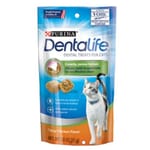
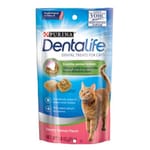
Rank 2: Dentalife Cat Dental Treats Salmon 1.8oz — These dental cat treats are formulated with a specific crunchy texture and shape designed for abrasive action during chewing. The primary flavor profile is salmon. The structure is a porous, kibble-like form, engineered to engage the tooth surface upon mastication. Composition includes cereal grains, meat and animal derivatives, vegetable protein extracts, oils and fats, and minerals.
Rank 3: Animonda Milkies Mini Cup Pet Milk (Mixed Flavors) 300g (1 box of 20 cups, 15g*20) — This product comprises liquid pet milk, presented in individual 15g cups. The formulation includes milk and milk derivatives, with various flavorings to create a mixed assortment. The consistency is liquid, suitable for lapping, and it is designed as a supplementary hydration and palatability enhancer. The packaging in individual sealed cups maintains product integrity.
Rank 4: VIIM Salmon Puree Sticks 12g X 6 — This item consists of salmon-flavored puree, packaged in individual 12g stick-form pouches. The material is a semi-liquid to paste-like consistency, primarily composed of salmon meat, water, and thickening agents. The structure is smooth and homogeneous, designed for direct consumption from the pouch or as a food topping.
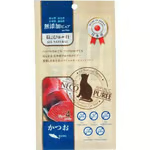
Rank 5: VIIM Bonito Puree Sticks 12g X 6 — Similar to the salmon variant, these are bonito-flavored puree sticks, also in 12g individual pouches. The composition features bonito (skipjack tuna) as the primary protein source, combined with water and stabilizers to achieve a smooth, viscous texture. This cat treats product is intended for easy administration and high palatability.
Cat Treats: Quality Standards and Labeling Norms for Cat Treats
The manufacturing and distribution of cat treats are subject to various quality standards, labeling transparency requirements, and documentation norms, which ensure product safety and provide consumers with verifiable information. In many jurisdictions, regulatory bodies such as the Association of American Feed Control Officials (AAFCO) in the United States or the European Pet Food Industry Federation (FEDIAF) in Europe establish guidelines for pet food, including cat treats. These guidelines dictate standards for ingredient definitions, nutrient profiles, and acceptable manufacturing practices. Labeling norms mandate the clear presentation of specific information on product packaging. This typically includes a guaranteed analysis, which specifies the minimum percentages of crude protein and crude fat, and the maximum percentages of crude fiber and moisture. The ingredient list must be provided in descending order by weight, allowing consumers to identify the primary components of the cat treats. Nutritional adequacy statements are also common, though many cat treats are labeled for "intermittent or supplemental feeding only," indicating they are not intended as a complete and balanced diet. Manufacturers are often required to list the net weight of the product and provide contact information. Furthermore, claims such as "all-natural" or "organic" are frequently subject to specific regulatory definitions and require substantiating documentation. Traceability systems are increasingly common, enabling manufacturers to track ingredients from source to finished product, enhancing accountability and facilitating recalls if necessary. Adherence to Good Manufacturing Practices (GMPs) is also a widely accepted norm, ensuring that cat treats are produced in facilities that meet hygiene and safety standards, thereby minimizing contamination risks. These established standards and transparency requirements provide a framework for evaluating the composition and safety of various cat treats available in the market.
Cat Treats: Factual Insights into Cat Treats
One verifiable factual insight regarding cat treats concerns the palatability enhancement methods often employed in their production. Many cat treats utilize specific compounds, such as phosphoric acid or certain amino acids like L-tryptophan, not primarily for their nutritional value but for their ability to significantly increase the appeal of the product to felines. Cats possess a unique chemosensory system that responds strongly to these particular taste profiles, often leading to a greater acceptance and consumption rate of the treats. This is distinct from human taste preferences and is a targeted formulation strategy based on feline physiology. Another verifiable insight pertains to the moisture content of various cat treats and its impact on water activity. Freeze-dried cat treats, due to their sublimation processing, typically have water activity levels below 0.25. This extremely low water activity inherently inhibits microbial growth, allowing for extended shelf stability without the need for chemical preservatives. In contrast, semi-moist cat treats, with their higher moisture content, often rely on humectants like propylene glycol or sorbitol to bind water molecules, thereby lowering the water activity to a range typically between 0.60 and 0.85. While higher than freeze-dried products, this range is still generally below the threshold required for most pathogenic bacteria to proliferate, contributing to their shelf stability. The precise control of water activity is a critical engineering parameter in the development of diverse cat treats, directly influencing preservation mechanisms and product integrity over time.
This article has presented a structural overview of cat treats, detailing their classification, material constituents, processing methodologies, and relevant industry standards, without providing any subjective assessments or purchasing recommendations.
......View All