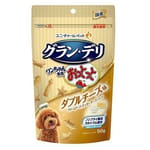
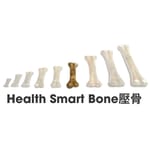
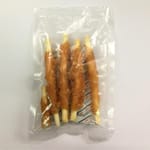
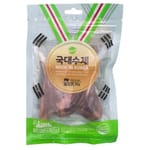
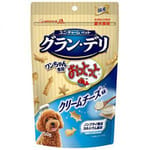
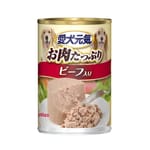
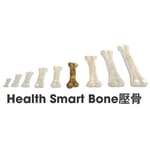
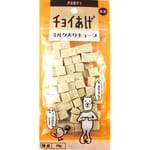
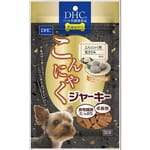
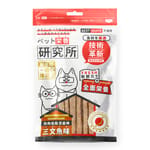
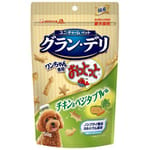
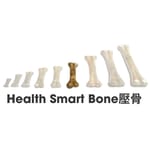
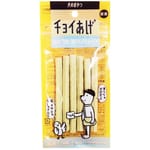
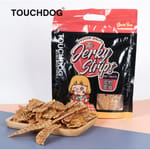
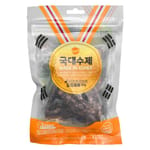
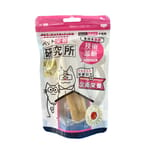
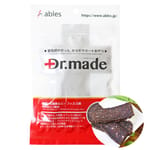
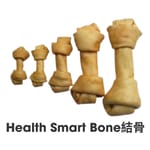
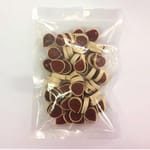
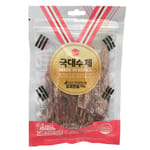
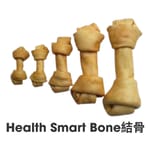
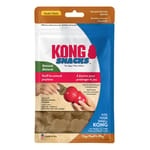
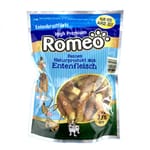
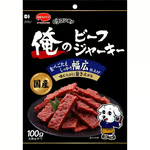
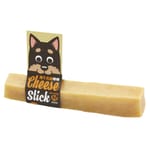
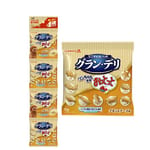
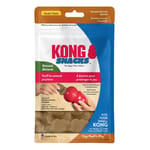
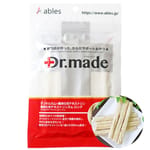
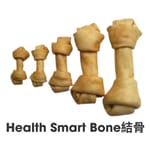
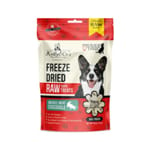
This category encompasses various other dog treats options, primarily serving as rewards, training aids, or supplements to daily diets. The形态 (forms) of these treats are diverse, including biscuits, jerky, dental chews, freeze-dried treats, and soft treats, with each form exhibiting different manufacturing processes and textures. The ingredients of these treats typically include meat, grains, vegetables, or fruits, offering varying nutritional compositions and flavors based on their formulations. Some products may possess specific functions, such as assisting with dental cleaning or supplementing particular vitamins. When selecting other dog treats, consideration can be given to the dog's size, age, activity level, and dietary preferences. The preservation method for these products generally recommends storage in a cool, dry place to maintain their quality and freshness. Various packaging sizes are available on the market, ranging from small trial packs to large family-sized packages, catering to different owner needs. Overall, the wide array of other dog treats aims to provide dogs with diverse taste experiences and functional support.
Dog treats, distinct from complete and balanced dog foods, represent a diverse category of edible items primarily intended for supplemental feeding, training rewards, or recreational chewing.
This article aims to describe the structural attributes, material composition, and usage contexts within the dog treats category. It does not provide product recommendations or offer comparative advantages.
Dog Treats: Common Divisions in Practical Use
The classification of dog treats in practical contexts often reflects their primary function or physical form. One common division distinguishes between soft and hard textures. Soft dog treats, frequently moist and pliable, are often utilized for training purposes due to their ease of consumption and ability to be broken into smaller portions. Their texture is typically achieved through specific moisture content levels and the inclusion of humectants. Hard dog treats, conversely, encompass a broader range, from crunchy biscuits to durable chews. These are often associated with dental hygiene benefits or extended chewing duration, which can contribute to canine behavioral enrichment. The structural integrity of hard dog treats is typically maintained through baking, dehydration, or extrusion processes, resulting in lower moisture content compared to their soft counterparts. Another practical division arises from the intended consumption speed. Quick-consumption dog treats are designed for immediate ingestion, often small in size and easily digestible, making them suitable for rapid reward during training sessions. Extended-consumption dog treats, such as long-lasting chews, are formulated to occupy a dog for a significant period, often composed of dense materials that require sustained effort to break down. This distinction is crucial in understanding the different applications within the dog treats market. Further divisions are observed based on ingredient profiles, such as single-ingredient treats versus multi-ingredient formulations. Single-ingredient dog treats, often dehydrated meats or vegetables, offer simplicity and clear ingredient transparency. Multi-ingredient formulations, on the other hand, can incorporate a wider array of components, including grains, starches, fats, and various flavorings, allowing for more complex nutritional profiles or palatability enhancements. The processing methods also contribute to practical divisions; for instance, baked treats, air-dried treats, and freeze-dried treats each possess distinct textures and shelf-stability characteristics. These variations in processing impact the final physical properties and, consequently, the practical application of dog treats. The size and shape of dog treats also dictate their practical application, with smaller pieces suitable for puppies or small breeds, and larger, more robust forms designed for larger dogs or those with stronger chewing instincts. These practical divisions provide a framework for understanding the functional diversity within the broad category of dog treats.
Dog Treats: Material Composition and Processing Techniques
The material composition of dog treats exhibits substantial variation, influencing their texture, nutritional profile, and intended use. Primary components often include protein sources, carbohydrates, fats, and various additives. Protein sources commonly derive from animal products such as chicken, beef, lamb, fish, or dairy derivatives like cheese. Plant-based proteins, including legumes or soy, are also utilized in some formulations. The form of these proteins can range from whole meat pieces in dehydrated treats, to meat meals, or protein isolates incorporated into baked or extruded products. Carbohydrates typically serve as binders, fillers, and energy sources. Common carbohydrate ingredients include grains such as wheat, corn, rice, and oats, or grain-free alternatives like potato, sweet potato, and tapioca. The type and proportion of carbohydrates significantly impact the final texture and density of dog treats. Fats, derived from animal or plant sources, contribute to palatability, provide concentrated energy, and can influence the treat's crumb structure. Examples include chicken fat, beef tallow, flaxseed oil, or sunflower oil. The inclusion of certain fats can also provide essential fatty acids. Manufacturing and processing methods for dog treats are diverse, directly affecting the product's final characteristics. Baking is a common method, particularly for biscuit-style treats, involving heat application to a dough mixture to achieve a firm, crunchy texture and reduce moisture. Extrusion, another widely used process, involves forcing a mixture of ingredients through a die under high pressure and temperature, resulting in various shapes and densities, often with a consistent, somewhat porous structure. Dehydration or air-drying removes moisture at lower temperatures, preserving nutritional integrity and often resulting in a chewier or tougher texture, particularly for meat-based dog treats. Freeze-drying is a specialized dehydration process that involves freezing a product and then reducing the surrounding pressure to allow the frozen water to sublimate directly from solid to gas. This method typically preserves the original shape, flavor, and nutrient content more effectively than conventional drying, yielding a very light, often crunchy product. Other methods include molding, particularly for softer, jelly-like treats, or pressing, for dense chews like those made from rawhide or compressed ingredients. The addition of functional ingredients, such as prebiotics, probiotics, joint supplements, or dental hygiene compounds, further diversifies the material composition of dog treats. These ingredients are incorporated to provide specific health-related benefits beyond basic nutrition. The selection of materials and the application of specific processing techniques are fundamental in defining the diverse range of dog treats available in the market.
Dog Treats: Properties Across Usage Environments
The properties of dog treats can vary significantly depending on their intended usage environment and conditions. For instance, treats designed for outdoor training in varied climates must exhibit different characteristics than those intended for indoor recreational chewing. Treats used in humid environments, for example, require specific packaging or formulation to resist moisture absorption, which could lead to spoilage or alteration of texture. A treat that readily absorbs moisture might become sticky or moldy, rendering it unsuitable for its purpose. Conversely, treats intended for very dry climates might be formulated to retain some moisture or be less prone to becoming excessively brittle. The physical durability of dog treats is also influenced by the usage context. A treat meant for a brief reward during an agility course needs to be easily consumed and digested, typically with a softer texture. In contrast, a chew designed to occupy a dog for an extended period, perhaps to mitigate boredom during owner absence, requires substantial hardness and resistance to fragmentation. The material composition and processing method directly impact this durability; a hard-baked biscuit will behave differently under sustained chewing than a dehydrated meat strip or a dental chew. Thermal stability is another property that varies across usage environments for dog treats. Treats exposed to high temperatures, such as those left in a car during summer, must be formulated to resist melting or becoming excessively soft and sticky, which can compromise their integrity and palatability. Conversely, treats intended for freezing, such as lickable pastes or some dental chews, are designed to maintain their structure and palatability after thawing. The size and form factor of dog treats are also adapted to specific usage contexts. Small, easily portable treats are ideal for on-the-go training or walks, often designed to fit into treat pouches without crumbling. Larger, more substantial chews are typically given in a controlled indoor environment where mess is less of a concern. Furthermore, the odor profile of dog treats can be a consideration in different environments. Highly aromatic treats might be beneficial for capturing a dog's attention in distracting outdoor settings, while less odorous options might be preferred for indoor use to avoid lingering smells. The packaging of dog treats also plays a role in their performance across usage environments, with resealable bags or durable containers protecting the treats from environmental factors like air, moisture, and pests, thus preserving their intended properties over time.
Dog Treats: Product Characteristics from Sales Ranking
The following descriptions are based on the material, formulation, and structural characteristics of specific dog treats as indicated by product information, without making any recommendations or comparisons.
Rank 1: Pet Lab Nutrition Research Select Dog Treats Natural Himalayan Milk Cheese Bone Dental Chew 1 piece — This product is characterized by its primary material, which is natural Himalayan milk cheese. The structural form is a bone-shaped dental chew, indicating a dense, hard consistency designed for extended chewing. The manufacturing process likely involves traditional methods of cheese curd compression and drying, resulting in a robust, low-moisture product. Its composition is primarily dairy-based, focusing on the inherent hardness of aged cheese for its function as a dental chew. The single-piece packaging suggests it is intended as an individual, long-lasting item.
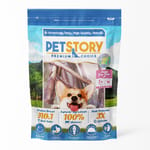
Rank 2: Pet Story Select Dog Treats Natural Himalayan Cheese Bone Milk Dental Stick 1 piece Medium 90g — This item is structurally a dental stick, made from natural Himalayan cheese. The inclusion of "milk" further specifies its dairy origin. Its medium size and 90g weight indicate a substantial chew. Similar to the top-ranked product, its material composition is centered around hardened cheese, processed to achieve a durable, chewable form. The 'dental stick' designation implies a shape and texture specifically engineered to engage a dog's teeth during chewing, potentially aiding in plaque removal through mechanical abrasion. The single-piece format reinforces its nature as a standalone, extended-duration treat for dogs.
Rank 3: Wanwan Made in Japan Dog Treats White Fish and Bonito Flavor Sticks 35g — This product consists of sticks flavored with white fish and bonito. The "sticks" form factor suggests a relatively firm, elongated shape. Its primary ingredients are fish-based, indicating a protein-rich composition derived from aquatic sources. The 35g weight implies a smaller, potentially softer or more easily consumed treat compared to the cheese bones. The manufacturing process for such stick treats often involves extrusion or molding, followed by drying, to achieve a consistent texture and shape. The specific flavors, white fish and bonito, suggest a focus on palatability through distinct fish aromas and tastes.
Rank 4: Wanwan Made in Japan Dog Treats Tasty Goat Milk Sticks 6 pieces — This product is presented as a pack of six sticks, with goat milk as a key ingredient. The "sticks" form implies a consistent, elongated shape, likely with a firm yet potentially pliable texture. The use of goat milk suggests a dairy-based composition, potentially offering a different protein and fat profile compared to cow's milk products. The "tasty" descriptor refers to its intended palatability. The six-piece packaging indicates it is designed for multiple servings or for use over a period. The manufacturing process would likely involve ingredient mixing, shaping (extrusion or molding), and subsequent drying to achieve the desired texture and shelf stability for these dog treats.
Rank 5: Wanwan Made in Japan Dog Treats Tasty Milk Pellets 50g — This item is composed of milk pellets, packaged in a 50g quantity. The "pellets" form factor indicates small, uniform, spherical or cylindrical pieces. The primary ingredient is milk, suggesting a dairy-based composition. Given the pellet form, these dog treats are likely produced through an extrusion or agglomeration process, where ingredients are combined and formed into small, dense units. The 50g weight suggests a relatively small quantity, potentially intended for use as training rewards or small supplemental offerings. The texture of pellets can range from crunchy to moderately firm, depending on the moisture content and specific manufacturing techniques employed.
Dog Treats: Quality Standards and Labeling Transparency
Verifiable quality standards and transparent labeling practices are integral to the dog treats category, providing consumers with objective information regarding product composition and safety. In many regions, the production and labeling of dog treats are subject to regulatory oversight, which dictates certain requirements for ingredient disclosure, nutritional analysis, and manufacturing practices. For instance, regulations often mandate that ingredients be listed in descending order by weight, allowing for a clear understanding of the primary components. This transparency is crucial for dog treats, especially for owners managing dietary sensitivities or specific nutritional needs. Quality standards frequently address aspects such as the freshness and source of raw materials. For example, meat ingredients may be required to meet human-grade standards or be sourced from approved facilities. The absence of artificial colors, flavors, and preservatives is often highlighted on labels as a quality indicator, particularly for dog treats marketed as "natural" or "limited ingredient." Manufacturing processes themselves are subject to quality control, including adherence to Good Manufacturing Practices (GMPs) to ensure product consistency, safety, and purity. This involves controls over facility hygiene, equipment maintenance, and personnel training. Labeling transparency extends to providing a guaranteed analysis, which typically includes minimum percentages of crude protein and crude fat, and maximum percentages of crude fiber and moisture. This analysis, while not a complete nutritional breakdown, offers fundamental data points for evaluating the basic composition of dog treats. Furthermore, some products may carry certifications from independent organizations, indicating compliance with specific quality or ethical standards, such as organic certification, non-GMO verification, or sustainable sourcing claims. These certifications are often accompanied by specific logos or seals on the packaging, serving as verifiable third-party endorsements. The country of origin for ingredients and the final product is also a common labeling requirement, offering additional context regarding the supply chain. For dental dog treats, claims regarding plaque or tartar reduction may require substantiation through scientific studies or specific testing protocols, which should be verifiable through product documentation or regulatory bodies. The presence of clear batch numbers and expiry dates on packaging also contributes to quality assurance, enabling traceability and ensuring product freshness. Ultimately, robust quality standards and comprehensive labeling transparency empower informed decisions regarding dog treats by providing objective, verifiable information about their characteristics and production.
Dog Treats: Factual Insights
A verifiable factual insight concerning dog treats is that the primary purpose of many dental chews is mechanical abrasion. The physical act of chewing on a firm, textured dental dog treat can help to reduce plaque and tartar buildup on a dog's teeth. This is not due to any chemical action within the treat itself, but rather the friction created between the treat's surface and the tooth enamel as the dog chews. The design of these specific dog treats, often featuring ridges, nubs, or a dense, fibrous structure, is engineered to maximize this abrasive contact. The effectiveness varies based on the treat's hardness, shape, and the dog's chewing habits, but the fundamental mechanism relies on physical scrubbing rather than enzymatic or antiseptic properties, though some dental treats may incorporate additional ingredients for those purposes. Another factual insight regarding dog treats is that the moisture content significantly impacts both their shelf stability and texture. Treats with lower moisture content, such as hard biscuits or dehydrated meats, typically have a longer shelf life because the reduced water activity inhibits microbial growth. Conversely, soft, moist dog treats require either higher levels of humectants (substances that retain moisture), preservatives, or specific packaging to maintain their freshness and prevent spoilage. The difference in moisture content directly contributes to the tactile experience for the dog, ranging from crunchy to pliable, and also dictates the storage requirements and anticipated longevity of the dog treats once opened. This fundamental relationship between moisture and product characteristics is a consistent principle across the manufacturing of various dog treats.
The dog treats category encompasses a wide array of products, each defined by its material composition, structural attributes, and specific manufacturing processes. Variations in these factors lead to diverse textures, forms, and functional characteristics within the category.
......View All