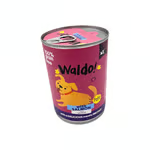
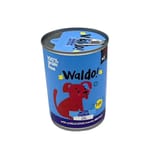
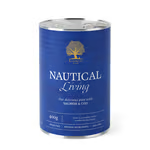
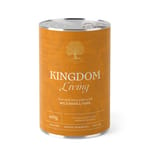
This category encompasses various types of canned dog food, primarily offering options for canine daily diets. These products typically come in wet food form, containing multiple ingredients such as meat, vegetables, and grains, designed to meet the nutritional requirements of dogs. Canned dog food features diverse textures and formulations, serving as a main meal or complementing dry kibble, providing hydration and essential nutrients to dogs. Different brands and series offer a variety of flavors and ingredient combinations to suit different canine dietary preferences and life stages. This product type is widely available in the market, allowing consumers to choose based on their dog's specific needs.
Canned dog food, a commercially prepared pet food product, consists of various ingredients sealed in an airtight container and subjected to heat sterilization. This processing method ensures product stability and safety for consumption over extended periods without refrigeration prior to opening. The composition of canned dog food can encompass a wide range of protein sources, carbohydrates, fats, vitamins, and minerals, formulated to meet the nutritional requirements of canines at different life stages.
This article aims to describe the structural attributes, material composition, and usage context within the category of canned dog food. It does not provide product recommendations or offer selection advice. The information presented focuses on verifiable, objective characteristics of these products.
Canned Dog Food: Classification by Formulation Type
The category of canned dog food is commonly divided based on its primary formulation type, which often dictates its intended use and nutritional profile. One primary classification distinguishes between complete and balanced diets and complementary feeds. Complete and balanced canned dog food is formulated to provide all necessary nutrients for a dog's daily dietary needs when fed as directed. These products typically adhere to established nutritional standards set by regulatory bodies. In contrast, complementary canned dog food is designed to be fed alongside other food sources, such as dry kibble or fresh ingredients, and does not provide a complete nutritional profile on its own. Further distinctions can be made based on life stage, with specific formulations for puppies, adult dogs, senior dogs, and sometimes specialized diets for conditions like weight management or sensitive digestion. The protein source also serves as a significant classification factor, leading to varieties like chicken-based, beef-based, or fish-based canned dog food. Grain-free formulations represent another segment, catering to dogs with sensitivities to grains or owners who prefer such diets. The moisture content in canned dog food is typically high, ranging from 70% to 85%, which differentiates it from dry kibble and semi-moist foods.
Canned Dog Food: Material Composition and Processing Techniques
The material composition of canned dog food is diverse, reflecting various nutritional goals and palatability considerations. Primary ingredients typically include meat, poultry, or fish as protein sources. These can be whole muscle meats, organs, or rendered animal by-products. The quality and type of protein significantly influence the product's nutritional value and appeal. Carbohydrate sources, such as rice, potatoes, sweet potatoes, peas, or lentils, provide energy and dietary fiber. Fats, often from animal sources like chicken fat or plant-based oils such as sunflower or flaxseed oil, are crucial for energy, essential fatty acids, and nutrient absorption. Vitamins and minerals are added to ensure a complete nutritional profile, often in the form of premixes. Water or broth constitutes a substantial portion of the content, contributing to the high moisture level characteristic of canned dog food. Gelling agents, such as carrageenan or guar gum, are sometimes used to achieve specific textures, forming gravies, patés, or chunks. The manufacturing process for canned dog food begins with ingredient mixing, where raw materials are combined according to a specific recipe. This mixture is then filled into metal cans, which are subsequently sealed. The sealed cans undergo a thermal sterilization process, typically retort cooking, where they are heated under pressure to temperatures sufficient to destroy pathogenic microorganisms and spoilage bacteria. This process ensures the product's sterility and extends its shelf life significantly without the need for preservatives. The specific temperature and duration of the retort cooking vary depending on the product's formulation and can size, ensuring food safety while minimizing nutrient degradation. After sterilization, the cans are cooled, labeled, and prepared for distribution. The choice of processing techniques directly impacts the texture, palatability, and nutrient retention within the canned dog food.
Canned Dog Food: Properties Across Usage Environments
The properties of canned dog food can exhibit variations depending on the environmental conditions and specific usage contexts. For instance, in environments with limited access to fresh water, the high moisture content of canned dog food can contribute significantly to a dog's hydration levels. This characteristic makes it a suitable option for dogs that may not drink sufficient amounts of water or for situations where water availability is a concern. Conversely, in humid environments, once opened, canned dog food is more susceptible to spoilage if not properly stored, necessitating refrigeration and consumption within a short timeframe, typically 2-3 days. Its high palatability, often attributed to its rich aroma and moist texture, can be particularly beneficial for dogs with reduced appetites, such as senior dogs or those recovering from illness. The soft texture of many canned dog food formulations is also advantageous for dogs with dental issues or those that have difficulty chewing harder foods. In scenarios requiring precise dietary control, such as managing a dog's weight or addressing specific medical conditions, the consistent formulation and portion control offered by individual cans of dog food can be highly valuable. The sealed nature of the product prior to opening also ensures its sterility and freshness, making it a reliable food source in various settings, including travel or emergency preparedness kits, where refrigeration might not be consistently available. The caloric density of canned dog food can vary, influencing its suitability for active dogs requiring high energy intake versus less active dogs requiring calorie restriction. Different formulations of canned dog food are designed to cater to these diverse environmental and physiological demands, offering flexibility in dietary management.
Canned Dog Food: Product Characteristics from Sales Ranking
Based on the provided sales ranking, an analysis of the material and structural characteristics of specific canned dog food products can be performed. This section details the attributes of each product without offering any form of recommendation or comparative evaluation.
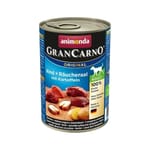
Rank 1: Animonda GranCarno Canned Dog Food Beef + Smoked Eel + Potato 400g — This canned dog food product features beef as a primary protein source, supplemented by smoked eel, which introduces a distinct flavor profile and additional protein. Potatoes are included as a carbohydrate source, contributing to the product's caloric content and texture. The 400g format indicates a standard size for single or multiple servings for medium to large dogs. The "GranCarno" designation typically refers to Animonda's range of products characterized by a high meat content. The inclusion of smoked eel suggests a specific processing method for this ingredient, impacting its flavor and aroma within the overall canned dog food formulation.
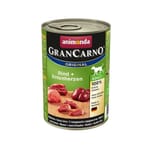
Rank 2: Animonda GranCarno Adult Dog Canned Food Beef + Duck Hearts 400g (90302411) — This formulation of canned dog food also utilizes beef as a foundational protein. The addition of duck hearts indicates the inclusion of organ meat, which is a nutrient-dense component rich in specific vitamins and minerals. The "Adult Dog" designation specifies its intended life stage, suggesting a nutritional profile tailored for mature canines. The 400g size is consistent with the top-ranked product. The material structure is likely a paté or chunks in gravy, typical for products with mixed protein and organ meat components in canned dog food.
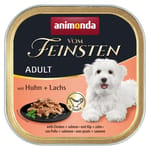
Rank 3: Animonda Vom Feinsten Grain-Free Adult Dog Canned Food Chicken + Salmon 150g (823081) — This canned dog food is explicitly labeled as grain-free, indicating the absence of traditional grains like wheat, corn, or rice. Chicken and salmon serve as the primary protein sources, offering a blend of poultry and fish. Salmon contributes omega-3 fatty acids. The "Vom Feinsten" line typically signifies a premium range from Animonda. The 150g portion size is smaller, often suitable for smaller dog breeds or as a supplemental feeding for larger dogs. Its grain-free nature focuses on alternative carbohydrate sources, likely vegetables or legumes, in this canned dog food.
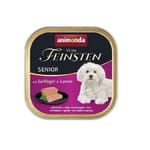
Rank 4: Animonda Vom Feinsten Grain-Free Senior Dog Canned Food Selected Poultry + Lamb 150g (826235) — This grain-free canned dog food is specifically formulated for senior dogs, implying a nutritional adjustment for older canines, potentially including lower caloric density or increased joint-supporting nutrients. The protein sources are selected poultry and lamb, providing a combination of white and red meat. The 150g size is consistent with the previous "Vom Feinsten" product. The "grain-free" attribute remains, aligning with specific dietary preferences or needs for this canned dog food segment.
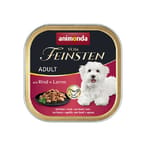
Rank 5: Animonda Vom Feinsten Grain-Free Adult Dog Canned Food Beef + Lamb 150g (823111) — This particular canned dog food is another grain-free option for adult dogs. It features beef and lamb as its primary protein components, offering a robust red meat profile. The 150g packaging suggests a similar portioning strategy to other "Vom Feinsten" products. The grain-free formulation indicates a focus on alternative carbohydrate sources, maintaining consistency with the dietary approach of this line of canned dog food. The combination of beef and lamb provides a diversified protein content.
Canned Dog Food: Quality Standards and Labeling Norms
The quality standards and labeling transparency for canned dog food are subject to regulatory frameworks established by governmental bodies and industry associations. In many regions, regulations dictate the minimum nutritional requirements that a product must meet to be labeled as "complete and balanced." These standards often refer to nutrient profiles such as those set by the Association of American Feed Control Officials (AAFCO) in North America or the European Pet Food Industry Federation (FEDIAF) in Europe. These organizations publish guidelines for the essential nutrients required for various life stages of dogs, including protein, fat, carbohydrates, vitamins, and minerals. Manufacturers of canned dog food are typically required to list all ingredients in descending order by weight on the product label. This provides transparency regarding the material composition. Nutritional guarantees, often presented as a "guaranteed analysis," specify the minimum percentages of crude protein and crude fat, and the maximum percentages of crude fiber and moisture. Additional guarantees for specific nutrients, such as calcium or phosphorus, may also be included. The product label for canned dog food must also clearly state the intended animal species (dog), the life stage for which the food is formulated (e.g., puppy, adult, senior), and feeding guidelines. Batch numbers and expiration dates are mandatory for traceability and quality control. Claims such as "grain-free," "organic," or "natural" are also subject to specific definitions and verification processes, requiring manufacturers to adhere to established criteria to use these descriptors accurately on their canned dog food products. Adherence to these labeling norms ensures that consumers have access to pertinent information regarding the product's contents and nutritional adequacy.
Canned Dog Food: Verifiable Factual Insights
One verifiable factual insight regarding canned dog food pertains to its energy density relative to its volume. Despite its high moisture content, which contributes to a lower caloric density per unit of weight compared to dry kibble, the palatability of canned dog food often leads to higher consumption rates. This can result in dogs consuming a comparable or even higher total caloric intake from canned dog food if portion sizes are not carefully managed, despite the perception of it being a "lighter" food due to its water content. The high moisture content also means that a significant portion of the product's weight is water, which needs to be considered when comparing the nutrient density of canned dog food to other food forms. Another verifiable factual insight is related to the processing method. The retort cooking process used for canned dog food not only sterilizes the product but also significantly denatures proteins and gelatinizes starches. This process can alter the digestibility of certain ingredients. For example, the heating process can make some proteins more digestible by unraveling their complex structures, while potentially reducing the bioavailability of certain heat-sensitive vitamins. The hermetic sealing and thermal processing of canned dog food are critical to its extended shelf life, preventing microbial growth and oxidative spoilage without the need for synthetic preservatives once the product is sealed, making it a distinct preservation method in pet food manufacturing.
This article has presented a detailed overview of canned dog food, focusing on its structural characteristics, material composition, processing, and labeling standards. The information provided is intended to offer a factual understanding of the category without offering selection guidance or product endorsements.
......View All